

Women and Heart Health: What You Should Know

Overview
Heart disease is a significant health risk for women, often misunderstood as primarily affecting men. Hormonal changes, particularly after menopause, increase vulnerability. Women experience different heart attack symptoms and worse outcomes compared to men. Key risk factors include age, hypertension, and autoimmune disorders. To maintain heart health, women should focus on nutrition, regular exercise, health check-ups, and stress management. Mental health also plays a crucial role in heart health. Advocacy for women's health issues is essential for awareness and action.
Contents
Heart disease remains one of the leading health issues affecting women globally. Despite the common misconception that heart problems primarily affect men, research indicates that women face unique risks, particularly due to factors related to the female body. In this article, we will explore the intricacies of women’s health in relation to heart health, highlighting academic research and offering guidance on how to maintain a healthy heart.
The Female Body and Heart Health
Understanding how the female body functions is crucial when discussing heart health. Hormonal differences, particularly estrogen, play a significant role. Estrogen is believed to contribute to a lower risk of heart disease in premenopausal women, but after menopause, that protective effect diminishes. Consequently, postmenopausal women experience a higher risk of cardiovascular diseases.
The Impact of Hormones
Hormones significantly influence various aspects of women’s health. For instance, fluctuations in hormonal levels during menstruation, pregnancy, and menopause can affect blood pressure, cholesterol levels, and overall heart health. This interplay illustrates the importance of considering hormonal health when evaluating the risk factors for heart diseases in women. As explored in depth in the article on the latest advances in hormonal therapy, ongoing research aims to enhance our understanding and management of these hormonal impacts.
Academic Research on Women’s Heart Health
Recent studies have unveiled that heart disease manifests differently in women than it does in men. For example, women are more likely to experience atypical heart attack symptoms, which can lead to delayed diagnosis and treatment. Understanding these differences is vital for both women and their healthcare providers.
Researchers Uncover Key Findings
Symptoms: Many women report fatigue, indigestion, or anxiety as warning signs before a heart attack.
Consequences: Women experience worse outcomes post-heart attacks compared to men.
Awareness: Lack of awareness about these differences contributes to the heart health crisis among women.
This academic research sheds light on the urgency of education and awareness in women's health. The more we understand the unique aspects of heart health in women, the better equipped we are to address them.
Risk Factors for Women
Various factors contribute to the risk of heart disease in women, many of which are uniquely tied to the female body. Here are some key risk factors:
Age: The risk of heart disease increases for women after the age of 55.
Hypertension: High blood pressure tends to affect women differently, often worsening after menopause.
Cholesterol levels: Women may see increases in LDL cholesterol after menopause, elevating their risk.
Diabetes: Women with diabetes have a higher relative risk of heart disease compared to men with diabetes.
Autoimmune Disorders: Conditions such as lupus and rheumatoid arthritis significantly increase heart disease risk among women.
It is critically important for women to engage in regular screenings that measure these risk factors, as early detection can play a key role in management and treatment.
How to Maintain Heart Health
Maintaining heart health is essential, and women can take proactive steps to lower their risks. Here are some practical tips:
1. Nutrition
A balanced diet rich in fruits, vegetables, whole grains, and lean proteins is fundamental. Specifically, omega-3 fatty acids found in fish can promote heart health. It is also vital to limit the intake of saturated fats, sugars, and processed foods, as they can contribute to weight gain and increase the risk of heart disease.
2. Physical Activity
Engaging in regular physical activity helps maintain a healthy weight and supports cardiovascular health. Aim for at least 150 minutes of moderate aerobic activity each week, which can include walking, swimming, or cycling.
3. Regular Health Check-ups
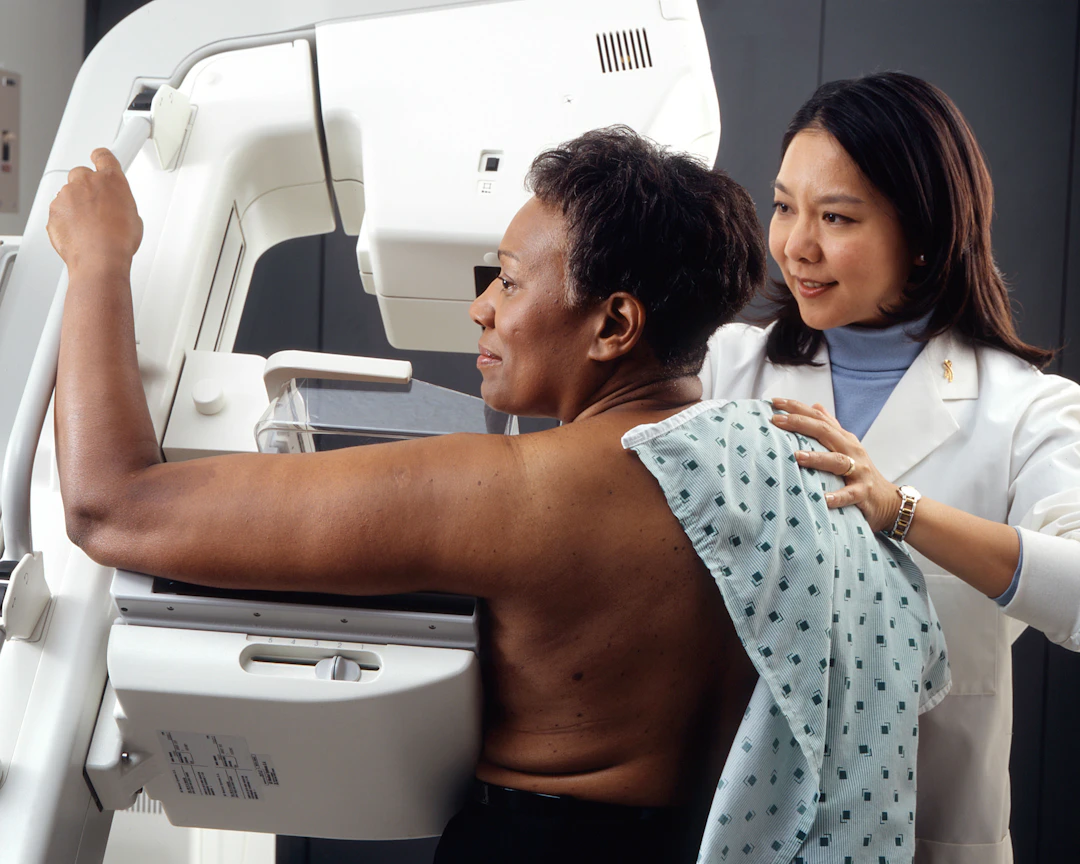
Regular check-ups with your healthcare provider can help monitor blood pressure, cholesterol levels, and other markers of heart health. Women should advocate for their health by discussing their risks and getting the necessary screenings.
4. Stress Management
Chronic stress can lead to high blood pressure and other heart disease risks. Techniques such as meditation, yoga, and deep breathing exercises can significantly improve heart health. The impact of stress on women's health is a growing area of interest in academic research, and learning to manage stress effectively is crucial.
Link Between Mental Health and Heart Health
Mental health is undeniably interconnected with heart health. Conditions like anxiety and depression can increase the risk of heart disease. Studies show that women are more likely to experience mental health issues, making it essential to address both mental and physical health in tandem. For detailed insights, refer to the article on mental health awareness for women, which discusses critical links between mental well-being and physical health.
Understanding Specific Health Conditions
Certain conditions, such as endometriosis and autoimmune diseases, have been found to have a correlation with heart health in women. For example, endometriosis can lead to systemic inflammation, possibly increasing heart disease risk. Understanding these links can help women make informed health decisions. The book Endometriosis: Understand your symptoms, get the right treatment, reclaim you dives deeper into this crucial condition and its broader implications on women's health.
Your Role in Advocacy
As we continue to face challenges in women's health, advocacy becomes essential. Being aware of women's health issues, including heart disease, not only empowers individuals but also prompts communities and policymakers to take action. Stay informed and engage with local organisations focused on women's health initiatives. The advancements in women’s health research, as highlighted in empowering progress, illustrate the commitment to improving the health of women across all demographics.
Your Heart Health Matters!
In conclusion, heart health is a critical aspect of women’s health that deserves attention and proactive management. By understanding the unique risks and taking actionable steps, women can protect their hearts and lead healthier, happier lives. We are empowered to advocate for our well-being and make informed decisions, supported by academic research and a growing understanding of women’s health. Remember, investing in your health today can lead to a brighter, healthier tomorrow.
Explore these insightful reads to enhance your understanding of women's health. Autistic Menopause: A Guide to the Menopausal Transition for Autistic People ... and Endometriosis: Understand your symptoms, get the right treatment, reclaim you....
Related Products
Autistic Menopause: A Guide to the Menopausal Transition for Autistic People ... - £18.14 - Author: Moseley, Rachel Brand: Jessica Kingsley Publishers Features: New Store Stock Binding: paperback Details: Having menopausal symptoms as an aut...
Endometriosis: Understand your symptoms, get the right treatment, reclaim you... - £13.78 - Author: Moore, Jen Brand: Green Tree Features: New Store Stock Binding: paperback Details: 'Comprehensive, accessible and incredibly useful' - Naga M...
Inferior: The true power of women and the science that shows it - £11.99 - Author: Saini, Angela Brand: Fourth Estate Features: New Store Stock Binding: paperback Part Number: 26847075 Details: ‘Inferior is more than just a...
FAQs
What are the main risks for heart disease in women?
The main risks for heart disease in women include age (increased risk after 55), hypertension, rising cholesterol levels after menopause, diabetes, and autoimmune disorders.
How does menopause affect women's heart health?
After menopause, the protective effects of estrogen diminish, leading to a higher risk of cardiovascular diseases for women.
What symptoms should women be aware of regarding heart attacks?
Women may experience atypical symptoms such as fatigue, indigestion, or anxiety before a heart attack, which can lead to delayed diagnosis.
What lifestyle changes can women make to improve heart health?
Women can maintain heart health by adopting a balanced diet, engaging in regular physical activity, having regular health check-ups, and managing stress effectively.
Why is mental health important for heart health in women?
Mental health conditions like anxiety and depression can increase the risk of heart disease in women, making it essential to address both mental and physical health together.

Comments