

Mental Health Awareness for Women: Latest Findings

Overview
Mental health awareness for women is increasingly vital due to unique challenges influenced by biological and social factors. Recent research highlights higher rates of depression and anxiety among women, exacerbated by hormonal changes and societal pressures. The blog discusses the importance of community support, tailored treatments, and the impact of social media. It emphasises breaking the stigma around mental health and encourages women to seek help and engage in supportive networks. Practical strategies for enhancement include exercise, mindfulness, and education on women's health issues.
Contents
Mental health awareness for women has become a critical focus in recent years, marked by an increased recognition of the unique challenges faced by the female body. Academic research continually reveals insights into women's health, highlighting the importance of tailored approaches to mental well-being. This blog post aims to shed light on the latest findings surrounding mental health awareness for women, discussing the implications of these studies and providing resources for enhancement and support.
The Importance of Mental Health Awareness for Women
The significance of mental health cannot be overstated, especially in today’s fast-paced world. For women, mental health challenges manifest differently than they do for men, often influenced by biological, social, and cultural factors. Awareness campaigns are imperative to not only educate but to empower women to take charge of their mental health.
Recent Academic Research and Findings
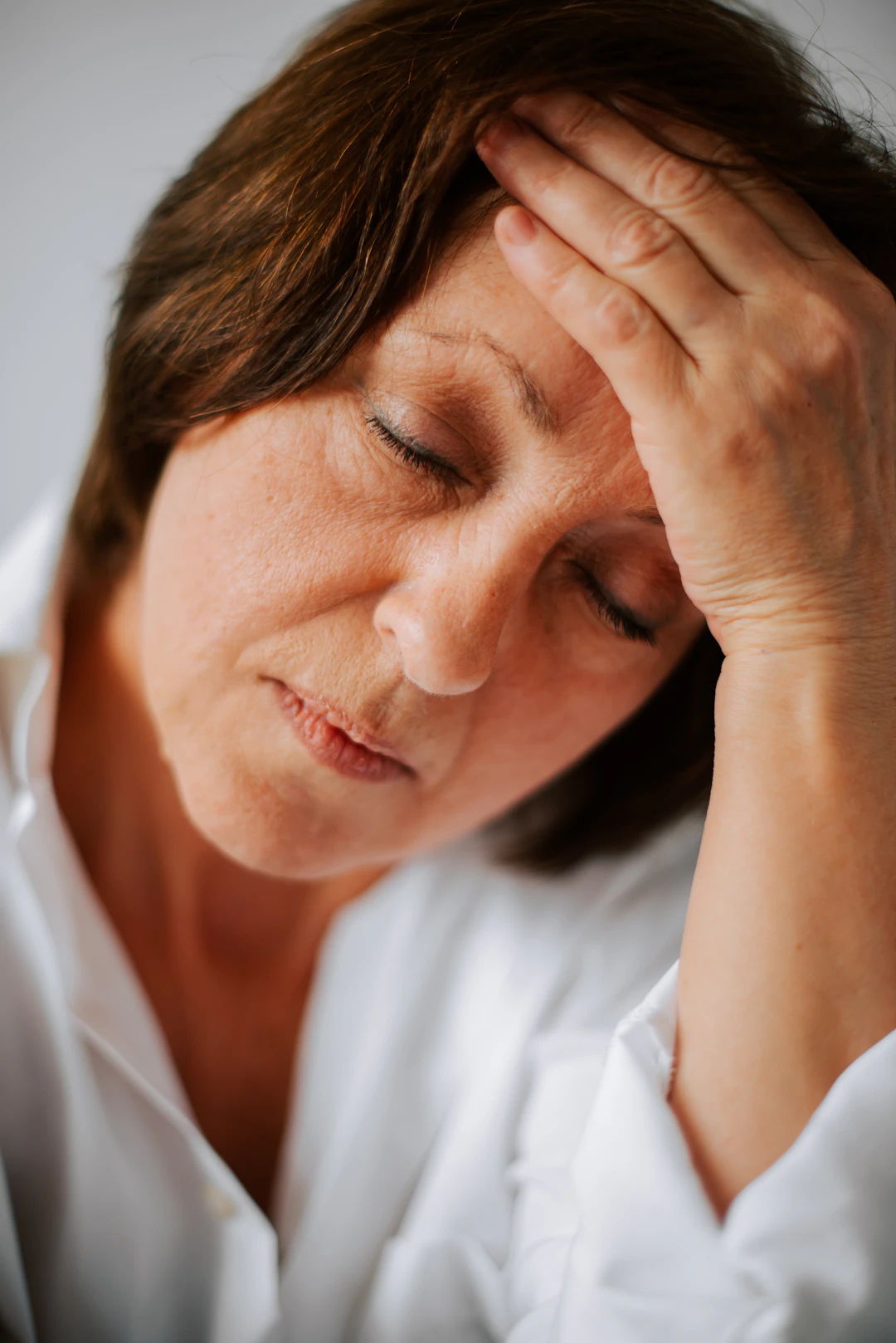
Recent academic research has provided us with a wealth of information concerning women's mental health. Studies show that women are more likely to experience depression and anxiety compared to their male counterparts. According to research, factors such as hormonal fluctuations, reproductive health, and social pressures significantly alter the psychological landscape for women.
One of the most notable findings indicates that women are more susceptible to stressors related to family responsibilities and societal expectations. While men may find solace in professional outlets, women often face the dual pressures of work and caregiving, which can lead to increased stress and emotional turmoil.
The Role of Hormonal Fluctuations
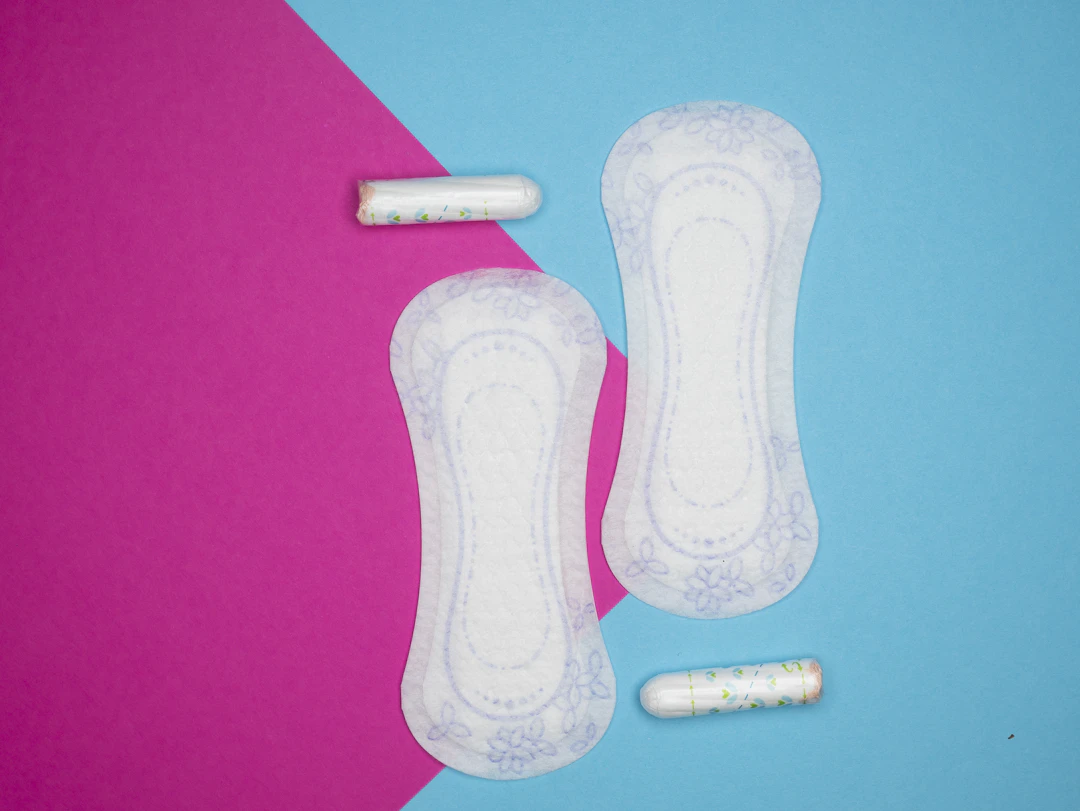
Women’s mental health is closely intertwined with hormonal changes that occur throughout various life stages, such as puberty, menstruation, pregnancy, and menopause. Recent advances in hormonal therapy have shed light on how these fluctuations may exacerbate mental health challenges. Understanding the relationship between the female body’s hormones and mental well-being is key to developing effective treatment plans.
Social Media's Impact on Women's Mental Health
With the rise of social media, there’s been an observable shift in how women perceive themselves and their mental health. Research reveals that social platforms can have both positive and negative effects. On one hand, they allow for the sharing of experiences, fostering a sense of community. On the other hand, they often amplify unrealistic expectations and toxic comparisons.
The ability to connect with like-minded individuals can be healing; however, it is essential to engage with social media mindfully. While it can serve as a support system, it is crucial to maintain a healthy boundary to protect one’s mental health.
Community Support and Empowerment
Building a supportive community can greatly influence women’s mental health. Disconnecting from the isolation often felt during mental health struggles can be beneficial. As highlighted in recent findings, the power of community fosters resilience. Resources such as local support groups and online forums help provide stability and understanding, enabling women to share their journeys while navigating the complexities of mental health.
Addressing Mental Health in Diverse Populations
Understanding that women are not a monolithic group is crucial when tailoring mental health awareness. Various ethnic, cultural, and socio-economic backgrounds significantly affect the experience of mental health and access to resources. For instance, women from minority groups may face additional stigma surrounding mental health, making it imperative to approach mental health awareness with this diversity in mind.
Recent academic research has particularly highlighted the mental health challenges faced by younger women, including anxiety related to academic performance and social acceptance. It's essential to address these unique stressors and develop appropriate outreach initiatives.
Practical Strategies for Promoting Mental Health
Women can adopt various practical strategies to enhance their mental well-being. These may include:
Engaging in regular physical exercise to release endorphins, known as 'feel-good' hormones.
Practising mindfulness through meditation or yoga to foster emotional resilience.
Establishing a support network of friends, family, and healthcare professionals to share experiences and find understanding.
Seeking professional help when facing overwhelming thoughts or emotions, thereby breaking the stigma surrounding mental health services.
In this context, education plays a vital role. Resources that delve into the intricacies of the female body and its impact on mental health, such as Protocols: An Operating Manual for the Human Body, can be instrumental in promoting awareness and understanding.
Emerging Research on Mental Health Treatments
Current studies are investigating cutting-edge treatments for mental health disorders in women. Emerging evidence supports the effectiveness of therapies tailored specifically to women’s experiences. From Cognitive Behavioural Therapy (CBT) to group therapy aimed at women’s unique needs, the focus is shifting towards personalised approaches in mental health care. This is a significant step towards improving mental health outcomes for women across various demographics.
Moreover, mental health awareness is gaining traction, thanks in part to groundbreaking publications that delve into gender biases in research. For instance, the book Invisible Women: The Sunday Times number one bestseller exposes critical gaps in research that affect women's health. Such literature is instrumental in advocating for changes in how research is conducted, ensuring that women’s health issues are thoroughly examined and addressed.
Breaking the Stigma Surrounding Mental Health
Stigma remains one of the greatest barriers to discussing mental health openly. Women often grapple with societal expectations that dictate they should appear strong and resilient, leading many to suffer in silence. Educational initiatives focused on normalising conversations surrounding mental health are essential for dismantling these barriers.
It is crucial to encourage an environment where women feel safe expressing their struggles, thus fostering openness and community support. By openly talking about mental health challenges, we can help change the narrative, empowering women to seek help without fear of judgment.
Join the Movement for Better Mental Health Awareness
As we continue to uncover new findings about mental health for women, it is clear that action is needed. Whether through enhanced community resources, advocacy for research, or educational initiatives, every step counts. Understanding our unique mental health challenges and addressing them with appropriate resources and support can help build a culture of awareness and resilience.
To empower yourself further, consider exploring literature that enhances your understanding of women's health. Books like Vagina: A Re-education offer insights that can change how we perceive women’s health and well-being.
Your mental health matters. Let’s work together to create an empowered community where mental health awareness for women is not only recognised but championed. Embrace the conversation, break the stigma, and take charge of your mental health!
Explore these insightful reads to enhance your understanding of women's health. Protocols: An Operating Manual for the Human Body and Vagina: A re-education.
Related Products
Protocols: An Operating Manual for the Human Body - £13.00 - Author: Huberman, Andrew Brand: Cornerstone Press Binding: hardcover Details: Dr Andrew Huberman, host of the world’s leading health podcast, Huberma...
Vagina: A re-education - £9.24 - Author: Enright, Lynn Brand: Allen & Unwin Features: New Store Stock Binding: paperback Part Number: unknown Details: Winner of the Hearst Big Bo...
Invisible Women: the Sunday Times number one bestseller exposing the gender b... - £12.99 - Author: Perez, Caroline Criado Brand: Penguin Features: New Store Stock Binding: paperback Part Number: 37806204 Details: *THE SUNDAY TIMES NUMBER ON...
FAQs
What recent findings highlight the importance of mental health awareness for women?
Recent findings indicate that women are more likely to experience depression and anxiety compared to men due to factors such as hormonal fluctuations and societal pressures. These insights underscore the need for tailored mental health approaches.
How do hormonal fluctuations affect women's mental health?
Hormonal changes throughout various life stages, such as puberty, pregnancy, and menopause, are closely linked to mental health challenges in women. Understanding this relationship is crucial for developing effective treatment plans.
What is the impact of social media on women's mental well-being?
Social media can have both positive and negative effects on women's mental health. While it fosters community and shared experiences, it can also amplify unrealistic expectations and comparisons, necessitating mindful engagement.
What practical strategies can women adopt to enhance their mental health?
Women can enhance their mental well-being by engaging in regular exercise, practising mindfulness, establishing a support network, and seeking professional help when needed.
How can we break the stigma surrounding mental health in women?
Breaking the stigma involves normalising conversations about mental health, fostering environments where women feel safe to express their struggles, and promoting educational initiatives that support awareness and understanding.

Comments