

The Profound Effect of Genetics on Women's Health

Overview
Women's health is significantly influenced by genetics, impacting conditions like breast cancer, cardiovascular diseases, and autoimmune disorders. Understanding genetic factors empowers women to make informed health decisions, whilst lifestyle and environmental factors also play a crucial role in health outcomes. Ongoing research aims to tailor healthcare solutions based on genetic profiles, highlighting the importance of awareness, advocacy, and knowledge in navigating women's health.
Contents
Women’s health is a multifaceted subject influenced by numerous factors, including lifestyle, environment, and notably, genetics. The intricate relationship between genetics and the female body significantly shapes the health outcomes of women around the world. Academic research into this area is not only revealing how genetic predispositions can affect women's health but also paving the way for more personalised medical care and targeted health interventions.
The Role of Genetics in Women's Health
Genetics refers to the study of heredity and the variation of inherited characteristics. It plays a fundamental role in determining a myriad of health conditions that predominantly affect women, including breast cancer, cardiovascular diseases, and autoimmune disorders. A woman's genetic makeup can influence how her body reacts to certain medications, her susceptibility to specific diseases, and even her ability to maintain physical and mental wellness.
Through genetic research, scientists are continually identifying variations that may predispose women to various health issues. For instance, mutations in genes such as BRCA1 and BRCA2 significantly increase the risk of breast and ovarian cancers. Understanding these genetic factors is crucial, as it empowers women with knowledge about their health risks and available preventive measures. Learn more about this crucial aspect in our article on Understanding Women's Health: The Role of Genetics in the Female Body.
Breast Cancer: A Genetic Perspective
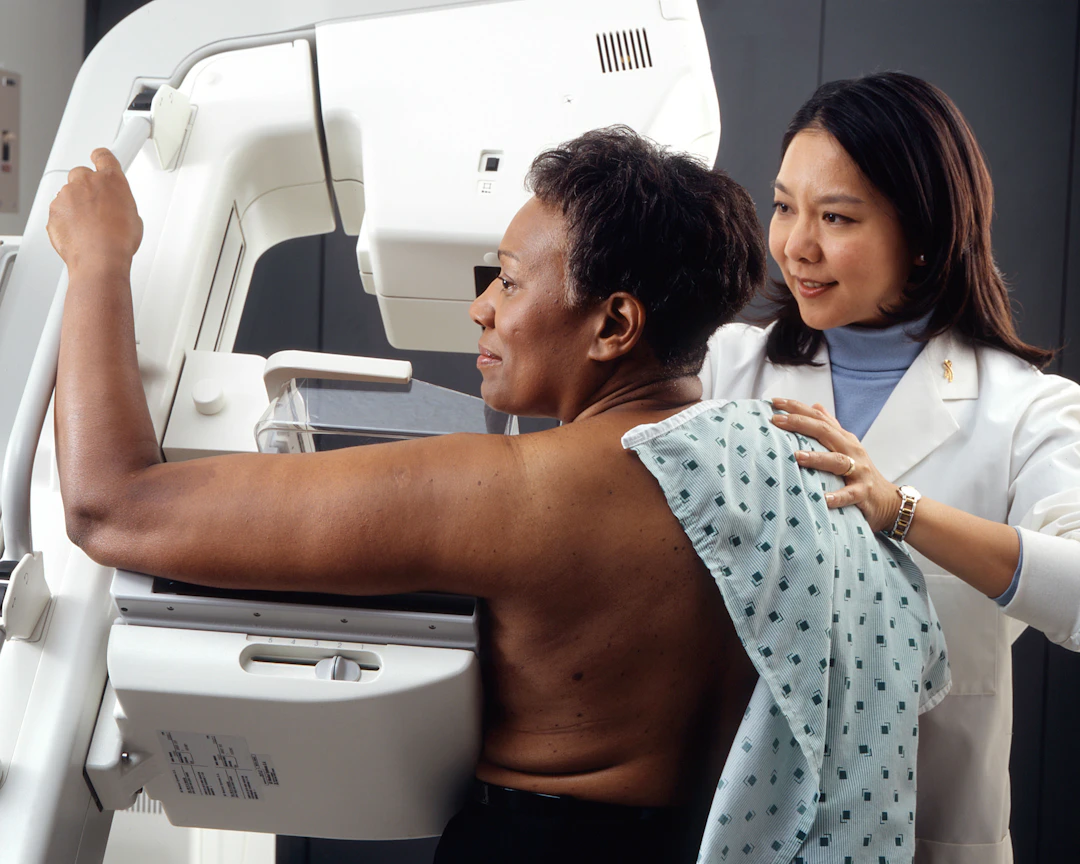
Breast cancer is a leading health concern for women globally. Academic research has extensively explored the influence of genetics on breast cancer risk. Women with a family history of breast cancer are urged to undergo genetic testing, as it can help identify specific gene mutations that heighten their disease risk. Early detection and proactive healthcare approaches can lead to improved outcomes for those carrying such genetic markers.
Moreover, research into genetic factors has led to enhanced prevention strategies, such as prophylactic mastectomies for women with high genetic risk. These insights illustrate the importance of genetic testing in shaping individual health decisions. Furthermore, educational resources, such as books like Inferior: The True Power of Women and the Science That Shows It, dive into women's health and genetics, empowering readers to take an informed stance on their health.
Cardiovascular Health and Genetic Influences
Cardiovascular disease is another area where genetics plays a crucial role. Studies show that women have different cardiac responses and risk factors compared to men, partially due to hormonal influences and genetic variations. For example, women with certain genetic profiles may experience more significant effects from high cholesterol and hypertension than their male counterparts.
Current academic research continues to explore these differences, aiming to tailor preventive measures and treatments to improve the cardiovascular health of women. Genetic screening can help identify individuals at higher risk, allowing for early interventions that can substantially enhance long-term health outcomes.
Autoimmune Diseases: The Female Predilection
Autoimmune diseases, such as lupus and rheumatoid arthritis, disproportionately affect women. The reasons behind this disparity can often be traced back to genetic predispositions. Research into the genetic underpinnings of these diseases is identifying specific markers that could lead to earlier diagnosis and effective treatment options.
Women concerned about these issues can gain valuable insights from academic resources and ongoing research, highlighting the need for awareness and advocacy. For anyone grappling with autoimmune conditions, examining the intersection of genetics and health is essential for developing coping strategies and treatment plans.
The Impact of Environment and Lifestyle on Genetic Expression
While genetics are undoubtedly influential, it is essential to recognise that they interact with environmental and lifestyle factors. This phenomenon, known as epigenetics, describes how external factors can influence gene expression. For example, a healthy diet, regular exercise, and stress management can positively affect genetic expression, improving women's health outcomes.
Academic research highlights how lifestyle choices can mitigate some genetic risk factors related to women's health. Encouraging women to engage in health-promoting behaviours can lead to significant improvements in their overall wellbeing, demonstrating the powerful interplay between genetics and environment.
Policy and Advocacy: Changing the Narrative
As women's health continues to evolve as a field, the importance of policy and advocacy cannot be overstated. The integration of genetic knowledge into public health policy can lead to better healthcare solutions and awareness programs aimed at educating the female population. Advocacy groups are essential in pushing for research funding and influencing policies that promote women's health rights.
To stay informed about legislative changes impacting women's health, one should regularly review platforms that highlight these updates. For an in-depth understanding of this topic, see our piece on Updates on Women's Health Policies and Legislation: Empowering the Female Body.
The Future of Genetics in Women’s Health
Recent advancements in genetic research promise a future where women can receive more tailored healthcare solutions based on their unique genetic profiles. Genetic testing is becoming more accessible, enabling more women to understand their health risks and make informed health decisions.
The focus on preventative health measures is essential, as early detection remains a cornerstone of successful healthcare. There are ongoing initiatives that delve into genetic underpinnings in various health conditions, fostering hope for breakthroughs in treatments that take into account every woman's unique biological makeup. For the latest information on strategies to improve women’s health, be sure to explore our blog on Empowering Women: The Latest Developments in Preventative Health Measures.
Knowledge is Power: Embracing Your Genetic Information
In this rapidly evolving landscape of women’s health, knowledge gleaned from academic research serves as a powerful tool for change. Women are encouraged to embrace their genetic information as part of their health journey, empowering them to take proactive steps toward better health outcomes. Engaging with academic research and preventative strategies can help women navigate the complexities of their health needs.
Reading insightful literature, such as Not Just a Period: Your Hormones and Cycle – What Every Woman Needs to Know, can also provide inclusive knowledge about hormonal health intricacies, aiding women in understanding their bodies better and making well-informed health decisions.
As we continue to bridge the gap between genetics, women's health, and healthcare policies, the mission remains clear: to empower women with knowledge so that they can navigate their health journeys confidently. Genetics should not be a source of anxiety; rather, it can illuminate paths toward better health, integrative approaches, and informed life choices.
Explore these insightful reads to enhance your understanding of women's health. It’s Probably Nothing: Critical Conversations on the Women’s Health Crisis (a... and Not Just a Period: Your Hormones and Cycle – What Every Woman Needs to Know f....
Related Products
It’s Probably Nothing: Critical Conversations on the Women’s Health Crisis (a... - £10.96 - Author: Munchetty, Naga Brand: Thorsons/Element GB Color: Four-color and spot-color Binding: paperback Details: Women’s healthcare is in crisis. It’s...
Not Just a Period: Your Hormones and Cycle – What Every Woman Needs to Know f... - £12.99 - Author: Wallace, Dr Hazel Brand: MACMILLAN Binding: paperback Details: The instant Sunday Times bestseller. ‘Packed with science-based strategies to...
Inferior: The true power of women and the science that shows it - £11.99 - Author: Saini, Angela Brand: Fourth Estate Features: New Store Stock Binding: paperback Part Number: 26847075 Details: ‘Inferior is more than just a...
FAQs
How does genetics impact women's health?
Genetics plays a fundamental role in determining various health conditions that predominantly affect women, including breast cancer, cardiovascular diseases, and autoimmune disorders, influencing how the body reacts to medications and susceptibility to diseases.
What is the significance of genetic testing for breast cancer?
Genetic testing is significant for breast cancer as it helps identify specific gene mutations that can heighten the risk, allowing for early detection and proactive healthcare approaches to improve outcomes.
How do genetics influence cardiovascular health in women?
Genetics influence cardiovascular health by contributing to different cardiac responses and risk factors in women compared to men, leading to tailored preventive measures and treatments based on individual genetic profiles.
Why are autoimmune diseases more prevalent in women?
Autoimmune diseases are more prevalent in women due to genetic predispositions, with research identifying specific genetic markers that facilitate earlier diagnosis and treatment options.
What role do lifestyle and environment play in genetic expression?
Lifestyle and environmental factors interact with genetics, influencing gene expression through epigenetics, whereby healthy behaviours can positively affect health outcomes and potentially mitigate genetic risk factors.


Comments