

Understanding Women's Health: The Role of Genetics in the Female Body
Overview
Genetics significantly influences women's health, impacting disease susceptibility, treatment responses, and hormonal health. Understanding genetic predispositions, particularly concerning conditions like breast cancer and mental health disorders, empowers women to make informed health choices. Research highlights the importance of genetic testing, lifestyle adjustments, and cultural factors in shaping health outcomes. Ongoing advancements in women's health research promise tailored treatments and improved overall health.
Contents
Women’s health is a multifaceted field shaped by numerous factors, one of the most influential being genetics. As we delve deeper into the complexities of the female body, academic research continues to unveil the profound impact of genetic predispositions on women's health. Genetic factors can dictate everything from susceptibility to certain diseases to how women respond to treatments.
The Biological Blueprint: Genetics and the Female Body
Every individual carries a unique set of genes that contribute to their health profile. In women, these genetic markers often play a crucial role in determining vulnerable areas of health, particularly concerning reproductive health, metabolic disorders, and the risk of conditions such as breast cancer and osteoporosis. The transformative impact of genetic research highlights how understanding these genetic influences can lead to more personalised healthcare approaches.
Breast Cancer: A Genetic Prevalence
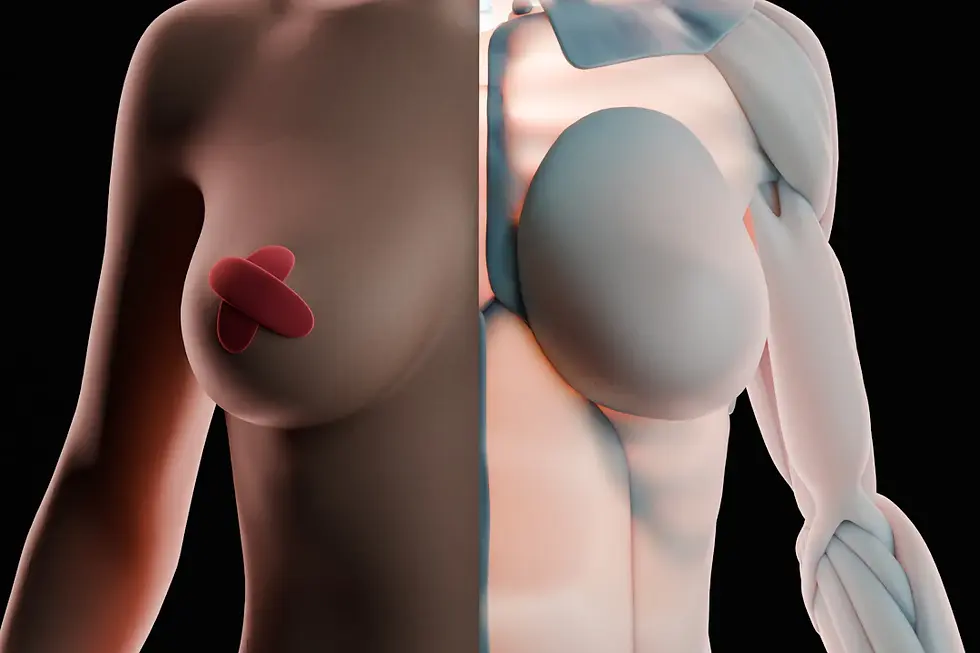
Breast cancer remains one of the most prevalent health issues affecting women worldwide. Research has identified specific genes, such as BRCA1 and BRCA2, that significantly increase the risk of developing this disease. Women with mutations in these genes have a much higher chance of developing breast and ovarian cancer compared to those without these mutations. Evidence from academic research suggests that early genetic testing can empower women with knowledge, enabling proactive measures, including enhanced screening protocols or preventative surgeries.
Linking Genetics to Lifestyle
However, genetics is only one piece of the puzzle. The interplay between genetics and lifestyle choices, such as diet and exercise, has been the subject of many studies. Women who are aware of their genetic risks can make informed decisions about their lifestyle to mitigate these risks. For a deeper understanding of how lifestyle factors contribute to women's health, consider reading about nutrition and its effects.
The Genetic Influence on Hormonal Health
Within the female body, hormonal fluctuations play an essential role in maintaining overall health. Genetics can influence everything from the onset of puberty to the experience of menopause. Hormonal health issues, such as polycystic ovary syndrome (PCOS) and endometriosis, often have a genetic component. Many women experience hormone-related challenges that can severely affect their quality of life.
The understanding of these challenges has led to the emergence of resources like The Hormone Balancing Revolution for Women, which provides insights on how to manage these conditions through dietary adjustments and lifestyle changes. By acknowledging and addressing hormonal imbalances, women can take significant strides towards improving their health outcomes.
The Role of Genetic Testing in Women’s Health
In recent years, genetic testing has become increasingly accessible and informative. Women are encouraged to consider genetic testing not only for hereditary conditions but also for insights into personalised healthcare solutions. For instance, knowing one’s genetic makeup can propel women towards screening that is tailored specifically to their risk factors, be it in cardiovascular health or reproductive functionality.
Age, Genetics, and Women's Health
As women age, the intersection of genetics and health becomes even more complex. Genetic predispositions may lead to increased risks of age-related conditions like osteoporosis, cardiovascular diseases, and certain cancers. Research indicates that post-menopausal women experience a significant decline in bone density, driven in part by genetic factors. Thus, understanding how age influences the female body is pivotal in shaping a proactive health strategy.
The latest findings in research indicate that women can adopt preventive strategies to counteract these genetic predispositions. Unlocking women's health explores the nuances of how women can optimise health as they age, focusing on maintaining bone density and heart health through lifestyle interventions.
The Intersection of Mental Health and Genetics
Moreover, the genetic influence on mental health cannot be overlooked. Women are disproportionately affected by mood disorders, and research underscores a genetic basis for susceptibility to conditions such as depression and anxiety. Understanding how genetics interacts with environmental factors can help women navigate their mental health journeys more effectively.
Programs that focus on mental health can greatly benefit from acknowledging these genetic factors. In particular, therapies offering a holistic approach that considers genetic predispositions are emerging as effective methods for treating these common yet complex conditions. For additional insights on innovative mental health therapies designed specifically for women, refer to transformative therapies addressing these issues.
Cultural and Environmental Influences
It is essential to recognise that while genetics plays a significant role in women's health, cultural and environmental factors also make substantial contributions. Women’s health decisions are often influenced by cultural contexts, which can either empower or limit their choices. Academic research indicates that education and societal norms shape not only perceptions of health but also access to necessary resources.
Understanding this cultural framework helps to explain disparities in health outcomes among different demographics of women. Awareness of these issues can promote advocacy for more equitable healthcare policies that address the unique needs of women across various backgrounds.
Empowering Women Through Education and Awareness
A pivotal aspect of addressing women's health is empowerment through education. As more women gain access to information about their genetic profiles and associated health risks, they can advocate for their health more effectively. This knowledge enables women to make informed decisions regarding preventative screenings, lifestyle changes, and treatment options.
Utilising resources such as recent advancements in research can equip women with additional tools to navigate their health journeys. By staying informed about the latest findings, women can take charge of their health while actively participating in conversations surrounding women’s health issues.
Future Directions in Women's Health Research
The future of women’s health is promising, with ongoing research continually contributing to a better understanding of the female body. Advances in genetic research are paving the way for innovative treatments that are tailored specifically to women’s needs. As scientific communities focus on the unique challenges faced by women, we can expect progress in areas such as reproductive health, hormonal therapy, and even mental health treatment.
As we move forward, it is crucial that women's health remains a priority in both research and public health policies. By investing in women's health initiatives, we can experience significant improvements in overall health outcomes, allowing every woman to thrive. Individuals interested in understanding how to support women’s health initiatives can explore comprehensive resources that delve into these subjects deeply.
Your Journey to Better Health
In a world where genetics play a critical role in health, understanding the female body can empower women in their health journeys. The impact of genetics on women's health encompasses numerous dimensions, from hereditary conditions to hormonal balance and mental well-being. Embracing this knowledge can aid in making informed choices that enhance overall health.
To support your journey, consider exploring insightful books such as The Female Factor: Making Women’s Health Count. This resource dives deep into the unique challenges women face, enabling them to take charge of their health proactively.
As research continues to unravel the complexities of women’s health, staying informed and engaged ensures women can navigate their health landscapes with confidence and strength. The future of women’s health is collaborative, and every woman deserves a seat at the table.
Explore these insightful reads to deepen your understanding of women's health. The Female Factor: Making women’s health count – and what it means for you (T... and The Hormone Balancing Revolution for Women: Enhance Your Diet, Find Balance, ....
Related Products
The Female Factor: Making women’s health count – and what it means for you (T... - £13.90 - Author: Wallace, Dr Hazel Brand: Yellow Kite Features: New Store Stock Binding: hardcover Details: The Number One Bestseller A DEEP DIVE INTO WOMEN'S...
The Hormone Balancing Revolution for Women: Enhance Your Diet, Find Balance, ... - £15.49 - Author: Hampton, Max Brand: Independently published Binding: paperback Details: More than 80% of women worldwide struggle with hormone imbalances, an...
FAQs
What role do genetics play in women's health?
Genetics significantly influences women's health by determining susceptibility to diseases, response to treatments, and overall health profiles, particularly in areas like reproductive health and metabolic disorders.
How does genetic testing benefit women?
Genetic testing provides women with personalised insights into their health risks, enabling them to pursue tailored screening and preventative measures related to hereditary conditions and overall wellbeing.
What are some common genetic conditions affecting women's health?
Common genetic conditions include breast and ovarian cancer associated with BRCA1 and BRCA2 mutations, as well as hormonal health issues like polycystic ovary syndrome (PCOS) and endometriosis.
How does lifestyle impact genetic predispositions in women?
Lifestyle choices, including diet and exercise, can mitigate the effects of genetic predispositions, allowing women to make informed decisions that enhance their health and reduce risks.
Why is education important for women's health?
Education empowers women by providing knowledge about their genetic profiles and associated health risks, enabling them to advocate for their health and make informed decisions regarding screenings and treatments.

Comments