

Latest Trends in Menstrual Health Management

Overview
Menstrual health management is advancing with new research and innovations, emphasising the importance of understanding the female body, nutrition, and mental health. Recent trends include eco-friendly products, wearable technology, and personalised health solutions. Education and breaking stigmas are crucial for empowering women and improving overall health.
Contents
Menstrual health management is evolving rapidly, and recent innovations and research are shaping how we approach women's health today. Understanding the complexities of the female body during this natural process is crucial, not just for comfort but for the overall well-being of all menstruators. In this article, we will explore the latest trends, academic research, and practical management strategies that promote health and empowerment.
Understanding Menstruation and the Female Body
Every month, the female body undergoes numerous physiological changes that culminate in menstruation. This cyclical process is not only a sign of reproductive health but also a vital indicator of overall health. Contemporary academic research highlights the importance of understanding these cycles. Emerging studies suggest that tracking menstrual cycles can provide valuable insights into one’s health, from hormonal imbalances to stress levels.
Keeping an eye on menstrual health allows women to anticipate challenges and seek timely interventions. Recent trends encourage an integrated approach to menstrual health that includes psychological well-being, dietary adjustments, and lifestyle changes. It’s essential for every woman to gain knowledge about their own bodies, hence empowering them to make informed decisions about their health.
Recent Innovations in Menstrual Products
The market for menstrual products has expanded tremendously over the last few years, moving away from traditional options. Here are some recent trends:
Eco-friendly Products: With the rising awareness of environmental issues, many women are now opting for sustainable menstrual products, such as menstrual cups and organic cotton pads. These options not only lessen waste accumulation but are also better for the body due to the absence of harmful chemicals.
Wearable Technology: New technologies such as menstrual tracking apps and wearable devices have emerged, giving users insights into their menstrual cycles. These innovations allow individuals to track symptoms, moods, and overall health, thus enhancing their understanding of the female body.
Personalised Health Solutions: More brands are embracing a personalised approach to menstrual health, offering products tailored to individual needs. This includes a range of supplements and hormone-balancing options catering to specific menstrual symptoms.
The Role of Nutrition in Menstrual Health
Another significant trend in menstrual health management focuses on nutrition and dietary changes. Proper nutrition is vital in managing symptoms like cramps, bloating, and mood swings. Recent academic research has shown that certain diets can affect hormonal balances positively. For instance, integrating whole foods and reducing sugar intake can alleviate some discomfort associated with menstruation.
Foods rich in omega-3 fatty acids, such as fish, walnuts, and flaxseeds, can help reduce inflammation and menstrual pain. Likewise, incorporating a variety of fruits and vegetables ensures an adequate intake of vitamins and minerals, supporting overall female health. Resources such as The Hormone Balance Handbook present simple yet effective recipes that aim to optimise hormonal health.
Academic Research and Women’s Health
Ongoing academic research plays a significant role in expanding our understanding of menstrual health. Various studies explore how lifestyle factors, socio-economic background, and education affect women’s experiences with menopause, PMS, and menstrual disorders. For instance, it’s been found through research that young girls often lack adequate education regarding their bodies, impacting their health confidence.
Research initiatives are focusing on greater inclusivity in clinical trials to ensure that women's health research encompasses diverse populations. By addressing disparities, such as those highlighted in Breaking Barriers, we can develop a more comprehensive understanding of women’s health that includes a wide array of conditions affecting the female body.
Advancements in Menstrual Health Education
Education is central to improving menstrual health management. Many organisations and educational institutions are now actively engaging in teaching young women about their menstrual cycles, the female body, and associated health implications. When menstruators are educated about what to expect, it helps demystify the process, mitigating anxiety and embarrassment.
Furthermore, there’s a trend towards including menstrual health education in school curricula. By fostering open discussions about the female body and menstruation, students can cultivate a healthy relationship with their biology. This initiative not only informs women but is likely to create space for conversations surrounding broader women’s health issues, such as addressing stigma associated with menstruation.
The Importance of Mental Health in Menstrual Management
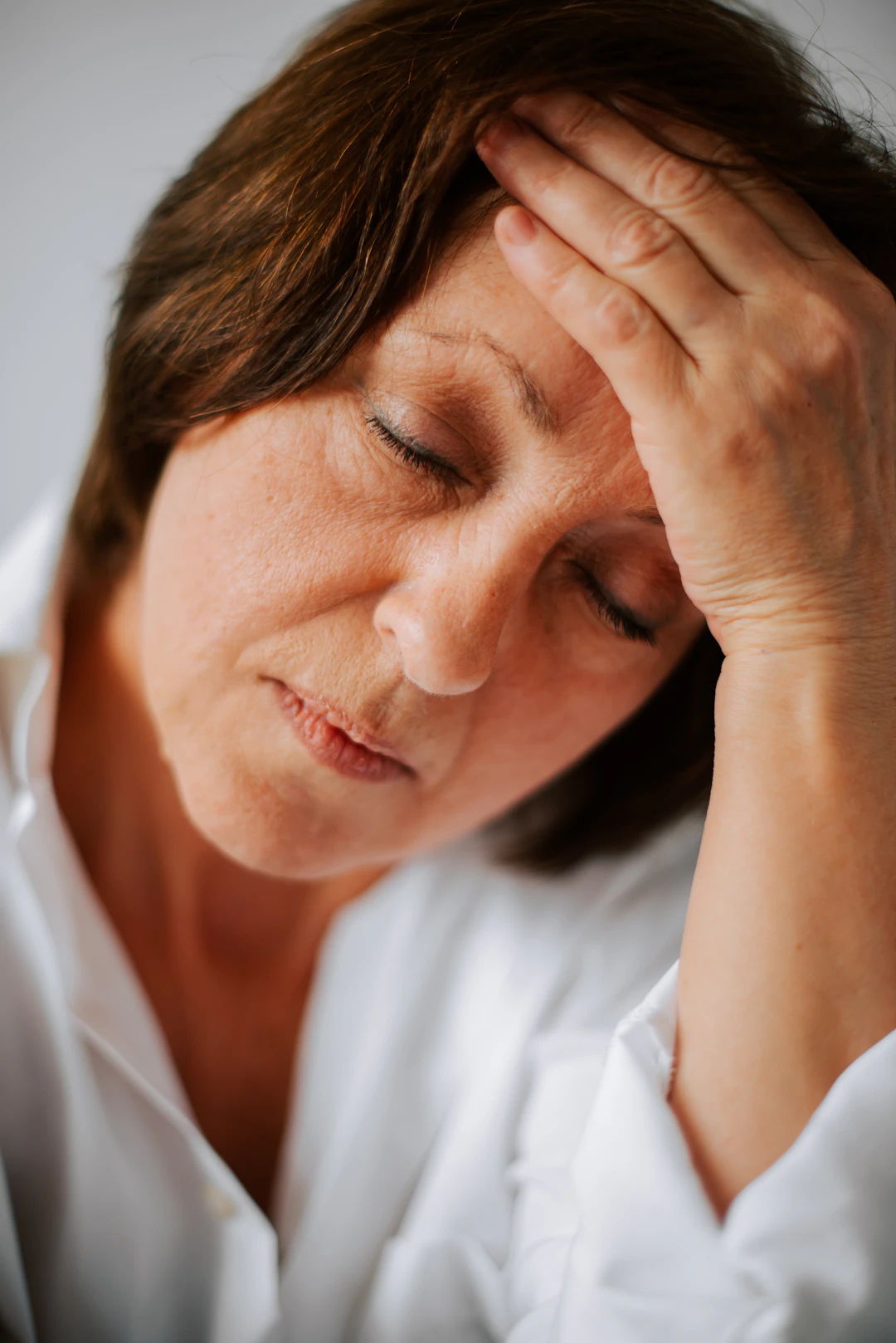
Another key aspect of menstrual health that is gaining momentum is the acknowledgment of mental health's role in overall well-being. The physical and psychological symptoms that accompany menstruation can significantly impact mental health, leading to anxiety, depression, and mood swings. Therefore, addressing mental health as part of menstrual health management is crucial.
Women are encouraged to seek help when experiencing troubling symptoms, and professionals in the field are recognising the connection between hormonal fluctuations and mental health. This connects with ongoing research, such as insights revealed in Mental Health Awareness for Women, which stress the continual need for societal awareness regarding gender-specific health issues.
Breaking Stigmas and Empowering Women
Efforts to break the stigma around menstruation are pivotal in enhancing menstrual health management. Activism and advocacy have played a vital role in changing perceptions and normalising conversations about menstruation. Brands and influencers are now openly discussing menstrual health, encouraging women to share their stories and support initiatives aimed at improving accessibility to menstrual products worldwide.
On a grassroots level, community workshops and support groups are forming to provide a safe space for open discussions about menstrual health. These platforms empower women by disseminating knowledge and reducing feelings of isolation. Individuals are learning how crucial it is to understand and appreciate their own bodies, creating a culture of empowered health.
A Step Towards a Healthier Future
The momentum behind the movement toward better menstrual health management is palpable. As we continue to witness advancements in research, education, and product innovation, the future of women’s health looks promising. The ongoing dialogue about menstruation, the female body, and women’s empowerment is essential, highlighting the importance of informed choices and active participation in managing personal health.
For everyone enthusiastic about aligning their diet and lifestyle to better support their menstrual health, resources like The Female Factor can be invaluable. This bestseller examines pressing women’s health issues, providing insights into achieving a balanced lifestyle.
As we journey towards a comprehensive understanding of menstrual health, it is essential to remain informed about the latest research findings and products that can enhance our experiences. With academic research paving the way for a clearer understanding of the female body's complexities and the importance of community discussion, we can progress towards more effective management strategies that empower women everywhere.
Stay ahead of the curve by embracing these developments in menstrual health management, committing to ongoing education, and fostering a culture that respects and celebrates the unique health needs of women.
Explore these insightful reads to enhance your understanding of women's health. The Female Factor: Making women’s health count – and what it means for you (T... and The Hormone Balance Handbook: An essential new cookbook to optimise your horm....
Related Products
The Female Factor: Making women’s health count – and what it means for you (T... - £13.90 - Author: Wallace, Dr Hazel Brand: Yellow Kite Features: New Store Stock Binding: hardcover Details: The Number One Bestseller A DEEP DIVE INTO WOMEN'S...
The Hormone Balance Handbook: An essential new cookbook to optimise your horm... - £19.53 - Author: Shand, Jessica Brand: Thorsons/Element GB Features: New Store Stock Binding: hardcover Details: 'So many of us will benefit from Jess's work....
Inferior: The true power of women and the science that shows it - £11.99 - Author: Saini, Angela Brand: Fourth Estate Features: New Store Stock Binding: paperback Part Number: 26847075 Details: ‘Inferior is more than just a...
FAQs
What are recent trends in menstrual health management?
Recent trends include the adoption of eco-friendly products, the use of wearable technology for cycle tracking, and personalised health solutions tailored to individual menstrual needs.
How does nutrition impact menstrual health?
Proper nutrition can alleviate symptoms like cramps and mood swings. Diets rich in omega-3 fatty acids and whole foods are beneficial for managing menstrual discomfort.
Why is education important in menstrual health?
Education helps demystify menstruation, reduces anxiety, and fosters healthy relationships with the female body. It is increasingly being included in school curricula to promote open discussions.
What role does mental health play in menstrual health management?
Mental health is crucial as the physical symptoms of menstruation can lead to anxiety and mood swings. Recognising the connection between hormonal changes and mental health is essential for overall well-being.
How are stigmas around menstruation being addressed?
Activism and advocacy are key in breaking the stigma around menstruation, promoting open conversations, and empowering women. Community workshops and support groups are also emerging to share knowledge.


Comments