

The Intriguing Connection Between Mental Health and Hormonal Changes

Overview
Understanding the link between hormonal changes and mental health is crucial for women's well-being. This blog explores how hormonal fluctuations throughout life, such as during the menstrual cycle, pregnancy, and menopause, can impact mental health. It highlights the importance of nutrition, exercise, mindfulness, and professional support in managing these changes, while emphasising the need for ongoing research and community support to improve women's mental health.
Contents
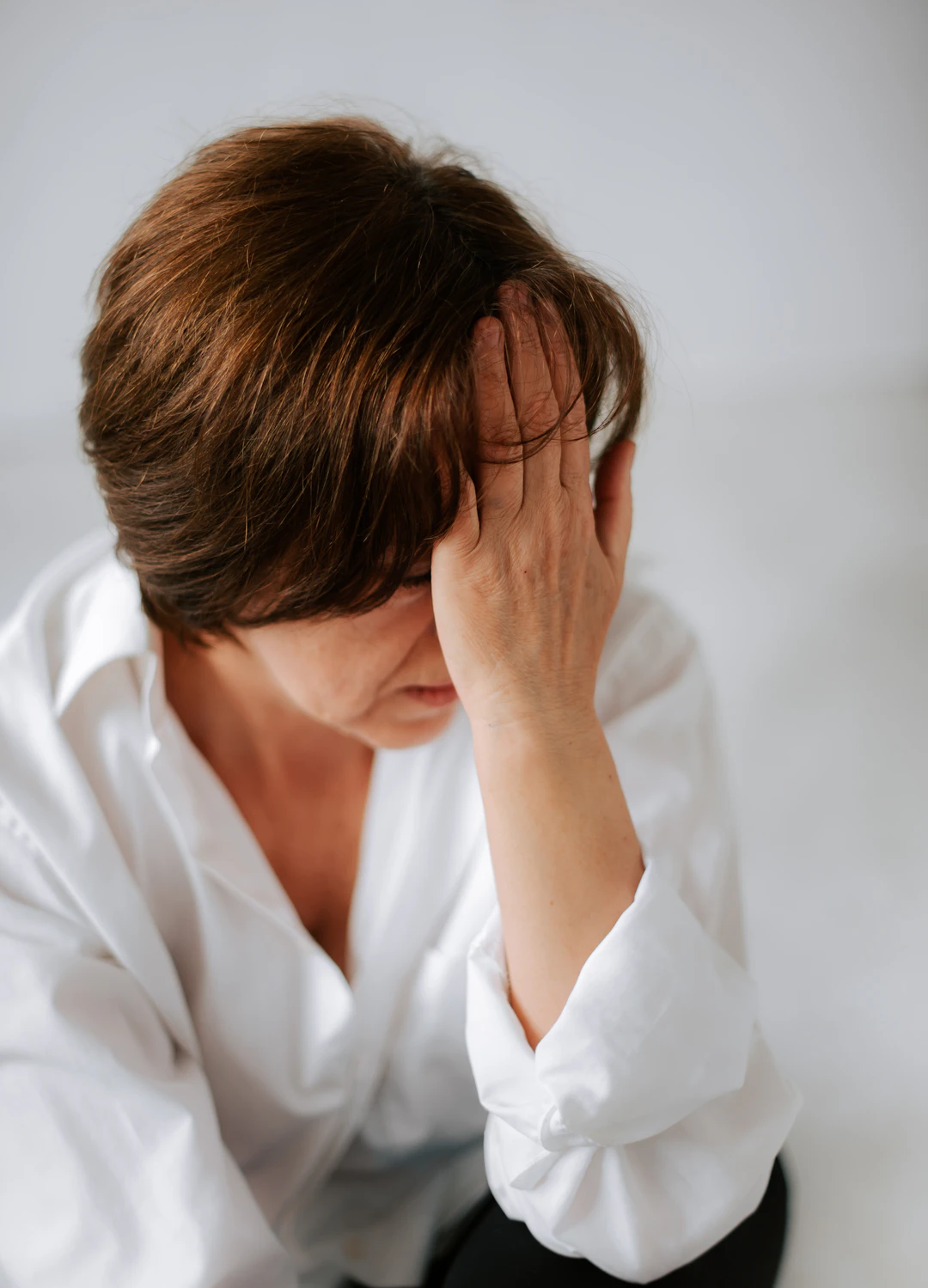
Mental health is a crucial aspect of our overall well-being, and for women, it is intricately linked to hormonal changes throughout their lives. Understanding how these changes affect the female body is essential in promoting better women's health. In this blog, we will explore the relationship between hormonal fluctuations and mental health, drawing on academic research to highlight the significance of this connection. We will also discuss ways to manage these shifts and enhance mental well-being.
The Hormonal Cycle: A Brief Overview
Women experience a variety of hormonal changes from puberty to menopause that can significantly impact their mental health. These hormonal fluctuations are part of the menstrual cycle, pregnancy, and perimenopause. Key hormones involved include:
Estrogen: A vital hormone that influences mood and energy levels.
Progesterone: Often called the calming hormone, it can affect sleep and anxiety.
Cortisol: Known as the stress hormone, it plays a significant role in the body's stress response.
As these hormones fluctuate, they can lead to a range of mental health issues, such as anxiety, depression, and mood swings.
The Link Between Hormonal Changes and Mental Health
Numerous studies indicate a robust connection between hormonal changes and mental health. For instance, during the premenstrual phase, many women experience premenstrual syndrome (PMS) which can manifest as irritability, sadness, or anxiety. In this phase, both estrogen and progesterone levels drop significantly, which can lead to such disturbances.
Further research has shown that hormonal fluctuations during pregnancy and postpartum can also contribute to mental health issues, including postpartum depression. According to empowering women in mental health awareness, understanding these phenomena is essential for better prevention and treatment.
Academic Research and Findings
Academic research is beginning to shed light on the biological basis of the connection between hormones and mental health. Studies have indicated that estrogen may play a protective role in mood regulation, and fluctuations can influence neurotransmitter systems that affect mood and cognition.
For example, a study published in the Journal of Women's Health highlighted how hormonal contraceptives can affect mood. Many women report improved mental health when using the pill, while others experience increased symptoms of depression or anxiety. These divergent outcomes underline the complex interplay between the female body’s hormonal milieu and mental wellness.
Managing Hormonal Changes for Better Mental Well-being
Understanding the impact of hormonal changes can empower women to take proactive steps in managing their mental health. Here are some strategies to consider:
1. Nutrition and Lifestyle
Nutrition plays a crucial role in maintaining hormonal balance. A balanced diet rich in whole foods, including fruits, vegetables, whole grains, and lean protein, can support hormonal health. The connection between nutrition and women's health is further explored in our article here.
2. Regular Exercise
Exercise can significantly improve mood and reduce anxiety. Regular physical activity helps to regulate hormones and releases endorphins, which are natural mood lifters.
3. Mindfulness and Stress Management
Practising mindfulness can help manage stress and reduce symptoms of anxiety and depression. Activities like yoga, meditation, and deep-breathing exercises can promote relaxation and mental clarity.
4. Seek Professional Help
If you are struggling with mental health issues related to hormonal changes, consider seeking professional help. Therapists can provide valuable strategies tailored to individual needs.
The Role of Research in Women's Health
Continuous advancements in academic research deepen our understanding of how hormonal changes impact women's mental health. By participating in or funding such research, society can become better equipped to address these unique challenges. Recent findings indicate that women's health research is vital in identifying effective coping strategies and interventions.
An important aspect of this research is recognising the impact of menopause on mental health. The hormonal changes that accompany menopause can lead to mood swings, anxiety, and depression. By leveraging insights from studies, women can better prepare and navigate this transitional phase. For more insight on menopause, consider our piece on understanding menopause.
Empowerment Through Knowledge
Empowering women begins with knowledge about how their bodies function. By understanding the hormonal influences on mental health, women can make informed choices to enhance their well-being. Resources like The Menopause Manifesto offers essential insights into women's health and hormonal changes. This book is a valuable guide for women navigating their mental health and hormonal health journey.
Natural Remedies and Support
Many women turn to natural remedies to cope with hormonal fluctuations that affect mental health. These may include herbal teas, essential oils, and supplements that are known to support hormone balance and reduce stress. Consulting with a healthcare professional can provide tailored recommendations based on individual health profiles.
The Importance of Community and Support Systems
Building a strong support network is vital for mental health during periods of hormonal change. Whether it’s friends, family, or support groups, having a solid support system can provide comfort and coping mechanisms. Engaging with the community can also foster discussions around mental health, breaking the stigma that often surrounds such topics.
It's Time for Change!
In summary, the connection between mental health and hormonal changes is an intricate and essential aspect of women's health. By equipping ourselves with knowledge and understanding, we can navigate these fluctuations more effectively. Academic research continues to provide updated insights, confirming that women's health is a vital area deserving attention and care. As society progresses toward greater awareness and understanding, let us collectively support initiatives and research focused on enhancing the mental well-being of women across all stages of life.
For those seeking to celebrate their bodies and enhance their understanding of female wellness, consider the enlightening book, Love Your Vulva. This resource delves into women's health and well-being comprehensively, complementing our discussion on the intertwining realms of hormonal changes and mental health.
By sharing knowledge and experiences, we can foster a healthier environment for ourselves and future generations. Your journey towards understanding your mental health in relation to hormonal changes starts now!
Explore these insightful reads to deepen your understanding of women's health. Love Your Vulva: Celebrating Women’s Bodies and The Menopause Manifesto: Own Your Health with Facts and Feminism.
Related Products
Love Your Vulva: Celebrating Women’s Bodies - £21.99 - Author: Dowling, Laura Brand: Independent Publishing Network Binding: hardcover Details: Love Your Vulva is a straight-talking, myth-busting guide to...
The Menopause Manifesto: Own Your Health with Facts and Feminism - £9.49 - Author: Gunter, Dr. Jennifer Brand: Piatkus Features: New Store Stock Binding: paperback Part Number: 9780349427607 Details: 'A guide to counteract m...
Brain Energy: A Revolutionary Breakthrough in Understanding Mental Health - a... - £21.94 - Author: Palmer, Christopher M. Brand: BenBella Books Color: Other Features: New Store Stock Binding: hardcover Details: “[A] revolutionary road map f...
FAQs
How do hormonal changes affect mental health in women?
Hormonal changes throughout a woman's life, particularly during the menstrual cycle, pregnancy, and menopause, can significantly impact mental health. Fluctuations in hormones such as estrogen and progesterone can lead to issues like anxiety, depression, and mood swings.
What are some common mental health issues related to hormonal changes?
Common mental health issues associated with hormonal changes include premenstrual syndrome (PMS), postpartum depression, anxiety, and mood swings during menopause.
What strategies can help manage mental health related to hormonal changes?
Women can manage their mental health during hormonal changes by focusing on nutrition, engaging in regular exercise, practising mindfulness and stress management, and seeking professional help when needed.
What role does research play in understanding the connection between hormones and women's mental health?
Academic research is essential in understanding how hormonal changes affect women's mental health, as it provides insights into biological mechanisms and helps identify effective coping strategies and interventions.
How can community support assist women facing hormonal changes and mental health challenges?
Building a strong support network is vital for women experiencing hormonal changes. Family, friends, and support groups can provide comfort, coping mechanisms, and foster discussions around mental health, helping to break the associated stigma.

Comments