

Understanding Hormonal Changes Throughout a Woman's Life

Overview
Hormones significantly influence women's health, mood, and well-being throughout their lives, from adolescence to menopause. Understanding hormonal changes can empower women to make informed health choices. This article explores hormonal fluctuations during various life stages, including the menstrual cycle, reproductive health, perimenopause, and menopause, while emphasising the importance of lifestyle choices and ongoing research for optimal health.
Contents
Hormones play a crucial role in a woman’s life, influencing various aspects of health, mood, and well-being. Understanding the hormonal changes that occur throughout a woman's lifespan can empower individuals to make informed choices about their health. This article delves deep into the complexities of hormonal fluctuations and their impacts on the female body from adolescence through menopause and beyond.
The Basics of Hormonal Regulation
The female body is a complex system where hormones such as oestrogen, progesterone, and testosterone function harmoniously. These hormones are responsible for regulating numerous physiological processes, including the menstrual cycle, reproductive functions, and even mood regulation. To better understand how these hormones function, it’s essential to look at their variations over different life stages.
Adolescence: The Beginning of Hormonal Changes
During puberty, typically between the ages of 9 to 14, girls experience a surge in hormones that triggers physical and emotional changes. The ovaries begin to produce oestrogen, resulting in breast development, the onset of menstruation, and changes in body composition. This newfound hormonal activity can also lead to mood swings, which are common during this tumultuous time. Academic research highlights that these changes are vital for the development of the reproductive system and prepare girls for future health and well-being.
The Menstrual Cycle: A Monthly Hormonal Symphony
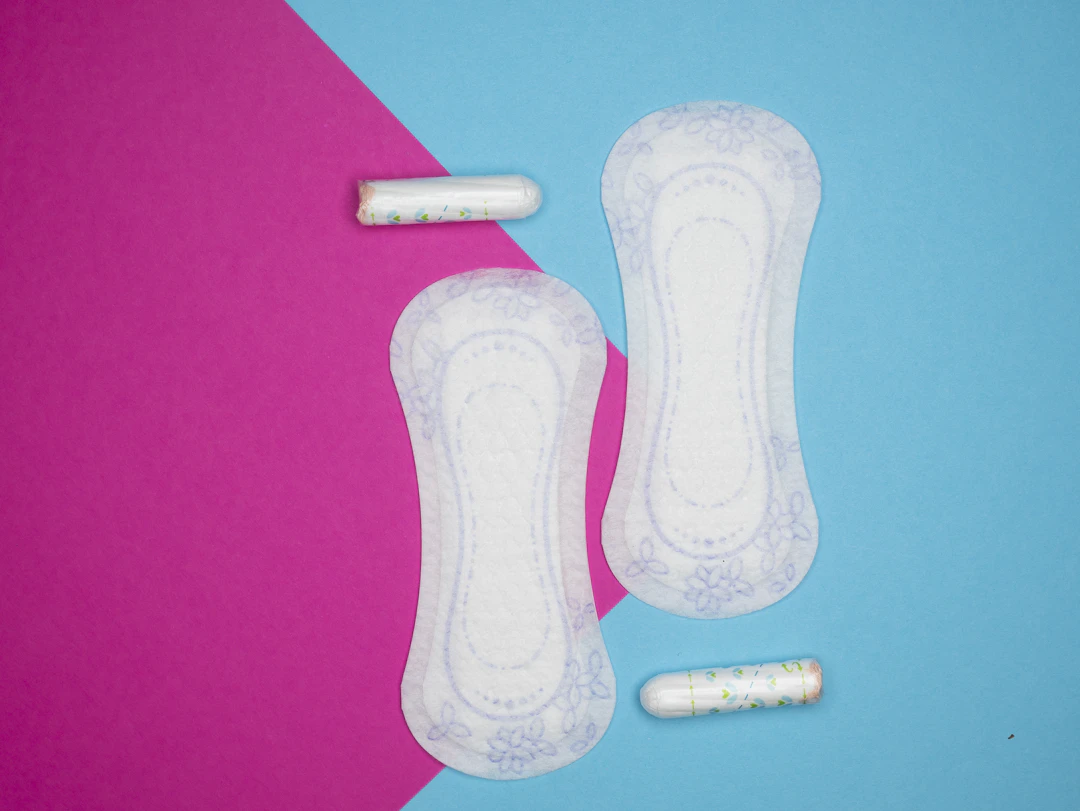
From puberty onwards, the menstrual cycle becomes a recurring theme in many women’s lives. Typically lasting about 28 days, the menstrual cycle is divided into four phases: the menstrual phase, follicular phase, ovulation, and luteal phase.
Menstrual Phase: This phase marks the shedding of the uterine lining. Hormone levels are at their lowest, leading to physical symptoms such as cramping and fatigue.
Follicular Phase: As oestrogen levels rise, the body prepares for ovulation. Many women feel increased energy and vitality during this phase.
Ovulation: This is the mid-cycle point when an egg is released. It is typically accompanied by a peak in oestrogen and luteinizing hormone (LH).
Luteal Phase: Following ovulation, progesterone levels rise to support potential pregnancy. If fertilisation doesn't occur, hormone levels decline, leading to the start of a new cycle.
Understanding this cycle is crucial for women’s health, as it can impact energy levels, mood, and even skin health. For a deeper insight into how hormones impact women’s health throughout life, consider exploring this informative blog post.
Young Adulthood: Exploring Reproductive Health
In their late teens to early twenties, women often experience peak hormonal levels, particularly during their menstrual cycles. This period may also include exploration of sexual health and reproduction. Hormones are key contributors to the overall experience during this stage, influencing libido and emotional well-being.
Women may face additional hormonal challenges during this phase, such as premenstrual syndrome (PMS) and conditions like polycystic ovary syndrome (PCOS). The hormonal imbalances associated with PCOS can be complex, impacting metabolism, fertility, and overall health. For those seeking to understand this condition better, consider reading understanding PCOS: Latest Research and Management.
Midlife: Navigating the Transition to Menopause
As women transition into their 30s and 40s, they may notice gradual hormonal shifts preparing the body for menopause. Oestrogen and progesterone levels may fluctuate, leading to irregular periods and symptoms like hot flashes and mood fluctuations. This transitional phase is known as perimenopause.
During this time, awareness of overall health becomes critical. Lifestyle factors—including diet, exercise, and stress management—play significant roles in how women experience these changes. Academic research suggests that maintaining a healthy lifestyle not only aids in managing symptoms but also supports long-term health.
The Role of Hormonal Therapy
For women experiencing severe symptoms associated with perimenopause and menopause, hormonal therapy may be an option. This treatment aims to balance hormonal levels, alleviating issues such as hot flashes, sleep disturbances, and mood swings. For insights on the latest developments in hormonal therapy, check out the latest advances in hormonal therapy.
Menopause: Embracing a New Chapter
Menopause is a natural biological process, usually occurring between the ages of 45 and 55. Characterised by a decline in oestrogen production and the cessation of menstruation, this phase can bring about a new set of challenges.
Women may experience various symptoms, ranging from vaginal dryness and hot flashes to mood changes and weight gain. Understanding these changes is essential for navigating this period successfully. Many resources emphasise the significance of holistic approaches to health during menopause, including nutrition and lifestyle adjustments.
Post-Menopause: A Time for Reevaluation
Post-menopause marks the end of reproductive years, opening a new phase in women's health. The focus often shifts to maintaining a healthy lifestyle to mitigate risks associated with hormonal changes, such as osteoporosis and heart disease.
Women are encouraged to engage in regular exercise, a balanced diet, and routine health screenings to ensure optimal well-being. Resources like updates on women’s health policies provide valuable information on how to access necessary healthcare during this phase.
The Importance of Academic Research on Women's Health
Continued academic research into women’s health and hormonal changes is vital for developing effective treatments and lifestyle recommendations. Understanding not only the physical aspects but also the psychological impacts can lead to improved care tailored to women’s unique needs.
New insights into hormonal contraception, sexual health, and even autoimmune diseases common in women highlight the importance of ongoing studies. These breakthroughs can revolutionise how healthcare providers support women at all stages of life—not just during reproductive years.
For further understanding of hormonal impacts, resources are available, such as breakthroughs in women's sexual health research, which can empower women with crucial knowledge for better health decisions.
Your Journey Towards Hormonal Awareness
As we journey through life, it’s essential to develop a deeper understanding of how hormonal changes influence the female body. By equipping ourselves with knowledge about our health, we can make informed, proactive decisions at every stage of life.
Books such as In the Flo: Unlock Your Hormonal Advantage and Revolutionize Your Life and PCOS Repair Protocol: The Complete Manual To Thriving With Polycystic Ovary Syndrome can serve as practical guides to navigate hormonal fluctuations and improve overall health. These resources offer valuable insights and applicable strategies that can enhance your life.
Remember that knowledge is power, and with the right information, you can not only embrace the phases of your life but also thrive in them. Every stage of life brings its own challenges and rewards, and understanding hormonal changes is a crucial step towards optimal women’s health.
So, here’s to embracing every hormonal shift with knowledge, resilience, and grace!
Explore these insightful resources to deepen your understanding of women's health. In the Flo: Unlock Your Hormonal Advantage and Revolutionize Your Life and PCOS Repair Protocol: The Complete Manual To Thriving With Polycystic Ovary S....
Related Products
In the Flo: Unlock Your Hormonal Advantage and Revolutionize Your Life - £9.99 - Author: Vitti, Alisa Brand: HarperOne Features: In the Flo: Unlock Your Hormonal Advantage and Revolutionize Your Life Product type: ABIS BOOK Brand:...
PCOS Repair Protocol: The Complete Manual To Thriving With Polycystic Ovary S... - £11.68 - Author: Woods, Tamika Brand: Independently published Binding: paperback Details: New updated 2025 edition includes new research, plus new chapters on...
Matrescence: On the Metamorphosis of Pregnancy, Childbirth and Motherhood - £12.97 - Author: Jones, Lucy Brand: Penguin Press Features: New Store Stock Binding: paperback Part Number: 9781802061307 Details: *A New Yorker, New Statesma...
FAQs
What are the main hormones that influence women's health throughout their lives?
The main hormones that influence women's health include oestrogen, progesterone, and testosterone, which regulate various physiological processes such as the menstrual cycle, reproductive functions, and mood.
What hormonal changes occur during adolescence in girls?
During adolescence, typically between the ages of 9 to 14, girls experience a surge in hormones, particularly oestrogen, leading to physical changes like breast development, the onset of menstruation, and emotional fluctuations.
What is perimenopause and how does it affect women's health?
Perimenopause is the transition phase into menopause, where women may experience hormonal fluctuations, irregular periods, hot flashes, and mood changes, typically occurring in their 30s and 40s.
What treatments are available for managing menopause symptoms?
Hormonal therapy may be an option for women experiencing severe menopause symptoms, aiming to balance hormone levels and alleviate issues such as hot flashes, sleep disturbances, and mood swings.
How can women maintain their health post-menopause?
Post-menopause, women are encouraged to focus on a healthy lifestyle, including regular exercise, a balanced diet, and routine health screenings to mitigate risks associated with hormonal changes such as osteoporosis and heart disease.

Comments