

The Latest Findings in Cardiovascular Health for Women

Overview
Cardiovascular health is vital for women, especially post-menopause, with unique risks and symptoms differing from men. Recent research highlights the need for tailored treatments and lifestyle changes, including exercise and diet, to improve heart health. Innovative approaches and community support are essential for empowering women to take control of their cardiovascular well-being.
Contents
Cardiovascular health is a crucial aspect of overall women's health, particularly as women age and go through various life stages. Recent academic research has shed light on unique characteristics and considerations specific to the female body that can influence heart health. In this article, we will explore the latest findings in cardiovascular health for women, addressing significant breakthroughs, tailored approaches to treatment, and lifestyle recommendations to boost heart health. Understanding these factors is essential for empowering women in their pursuit of optimal health.
Understanding the Unique Risks for Women
The perception that heart disease primarily affects men is changing. Recent findings indicate that women experience cardiovascular diseases differently than men. While men tend to have heart attacks at a younger age, women often develop these conditions post-menopause. This shift highlights the importance of tailored research focused on women's health and the need for comprehensive understanding of risk factors pertinent to women.
Hormonal Changes: The decline of oestrogen levels during menopause can lead to increased cholesterol levels and a greater risk of plaque buildup in arteries.
Differences in Symptoms: Women may experience less common symptoms during a heart attack, such as fatigue, shortness of breath, and nausea, making it essential for healthcare providers to consider these signs in their assessments.
Psychosocial Factors: Research indicates that anxiety and depression may contribute to heart disease in women, amplifying the effects of stress on cardiovascular health.
As knowledge grows, so does the emphasis on understanding and addressing these gender-specific factors in cardiovascular health.
Recent Academic Research Highlights
Recent studies have brought to light new insights into how heart disease affects women and what preventive measures can be taken. For example, a comprehensive meta-analysis involving thousands of participants revealed that women with diabetes face a substantially higher risk of cardiovascular disease compared to their male counterparts. This underscores the need for targeted lifestyle changes and regular screenings for women living with diabetes.
Moreover, research has shown that incorporating physical activity into daily routines can significantly improve cardiovascular health. Women who engage in regular exercise are less likely to develop heart disease, and even moderate activities like walking can be beneficial. Tailoring exercise programmes to the female body can help address specific health needs as well.
Innovative Approaches to Heart Health
The evolution of cardiovascular health research has led to innovative approaches focused on the unique aspects of women's health. Here are some of the most promising strategies:
Personalised Medicine: Advances in genetic profiling are paving the way for personalised treatment plans that consider the biological differences between men and women.
Women-Centric Clinical Trials: Historically, cardiovascular research has often overlooked women. Recent changes in clinical trial designs are now prioritising the inclusion of female participants to better understand the efficacy of treatments.
Holistic Approaches: Integrating mental health support as a standard part of cardiovascular care can help address anxiety and depression that affect heart health in women.
These approaches not only provide a more comprehensive understanding of cardiovascular health in women but also promote active engagement in health decisions.
The Importance of Lifestyle Changes
Empirical evidence consistently confirms the critical role of lifestyle in maintaining heart health for women. Some recommended lifestyle modifications include:
A Balanced Diet: Emphasising fruits, vegetables, whole grains, and lean proteins while minimizing saturated fats, sugar, and sodium can drastically reduce the risk of heart disease.
Regular Exercise: Striving for at least 150 minutes of moderate-intensity activity each week can help maintain a healthy weight and improve cardiovascular fitness.
Stress Management: Engaging in mindfulness practices, yoga, or meditation can help reduce stress, a known contributor to heart problems.
Incorporating these lifestyle changes not only promotes a healthy heart but also enhances overall well-being.
Supportive Resources for Women
As awareness grows about these significant findings, various resources have been developed to support women's health. For instance, understanding menopause is crucial, as this transition period significantly influences cardiovascular health. Books and guides are available to help women navigate these changes effectively, such as Life After Menopause: Embrace Your Next Chapter With A Healthy Body & Mind. This valuable resource provides guidance on maintaining health post-menopause, specifically addressing cardiovascular wellness.
The Role of Healthcare Professionals
Healthcare professionals play a fundamental role in recognising and addressing the unique needs of women's cardiovascular health. It's vital for practitioners to:
Stay informed about the latest academic research and findings related to women's health.
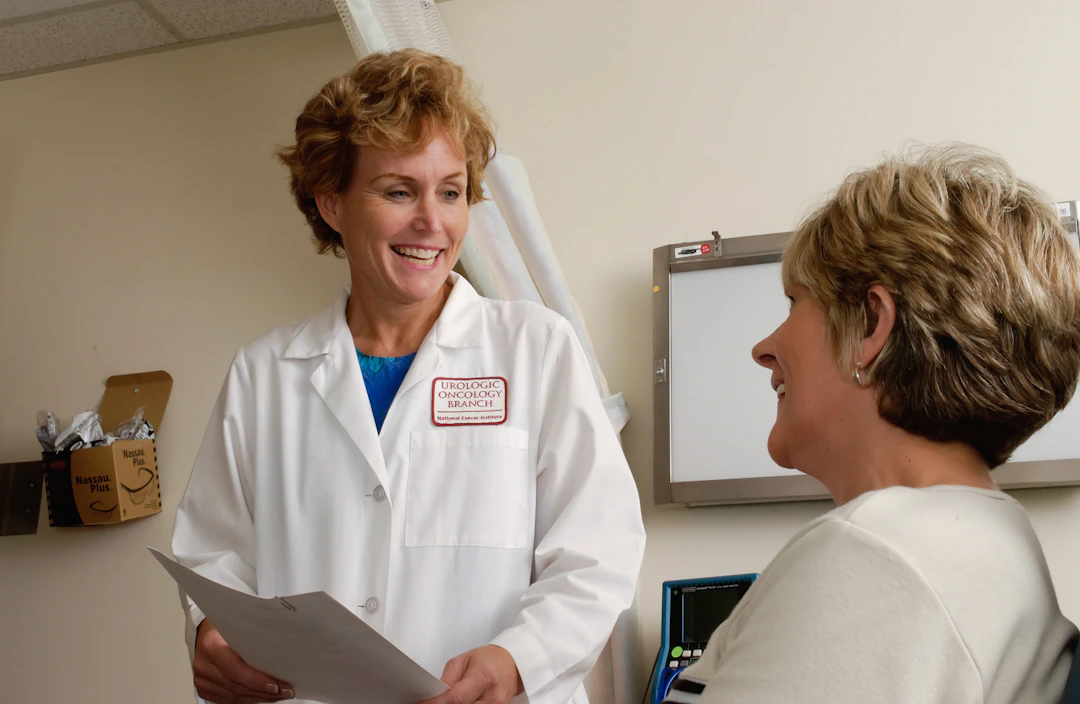
Engage in open conversations with female patients about their symptoms and concerns, particularly regarding heart health.
Encourage regular screenings for heart disease and risk factor assessments, particularly as women age.
By prioritising the health needs of women, healthcare providers can contribute to a significant reduction in cardiovascular-related issues.
Community and Peer Support
The importance of community cannot be understated when it comes to women's health. Support groups and community resources provide platforms for women to share experiences and learn from one another. Peer connections can result in increased motivation for lifestyle changes and encourage a proactive approach towards health management.
Programs that offer educational workshops and personal stories from women who've successfully navigated health challenges empower and inspire others. They create an environment where women can gather strength and knowledge, ultimately leading to improved cardiovascular health.
Looking Ahead: The Future of Women's Heart Health
The world of cardiovascular research for women is vibrant and evolving. With a focus on female-specific studies and a deeper understanding of the female body, there is hope for improved diagnoses and treatments. Initiatives like the latest insights on cardiovascular health in women highlight the importance of continuing research efforts.
Furthermore, as discussions surrounding women's health progress, so does the utilisation of innovative technologies. From telehealth services that allow women to access specialists from home to advanced wearables that monitor heart health, the landscape is changing. These advancements can empower women to take charge of their cardiovascular health and stay informed.
Empower Your Health Journey
As we conclude our exploration of the latest findings in cardiovascular health for women, it is evident that strides are being made to better understand the distinct aspects of heart health in the female body. Women are encouraged to stay informed, adopt healthier lifestyles, and seek supportive resources on their journey to wellness. Consider looking into tools like Everything I Wish I Could Tell You About Midlife: A Woman's Guide to Health. This practical guide offers invaluable tools for navigating midlife health challenges, providing a strong foundation for empowering decisions.
With ongoing research and supportive communities, the future of women's cardiovascular health is bright, and the empowerment of women to take charge of their health is more critical than ever.
Explore these insightful resources to enhance your understanding of women's health. Life After Menopause: Embrace Your Next Chapter With A Healthy Body & Mind and Everything I Wish I Could Tell You about Midlife: A Woman's Guide to Health i....
Related Products
Life After Menopause: Embrace Your Next Chapter With A Healthy Body & Mind - £16.33 - Author: Williams, Nicki Brand: Health Junkie Ltd Binding: paperback Part Number: Refer to Sapnet. Details: Menopause itselfis challenging enough, but...
Everything I Wish I Could Tell You about Midlife: A Woman's Guide to Health i... - £12.38 - Author: Albertson, Mikala MD Brand: BETHANY HOUSE Binding: paperback Part Number: 9780764242984 Details: Guidance. Reassurance. Science. Stories. Pra...
Menopausing: Book of the Year, The British Book Awards 2023, and Sunday Times... - £11.99 - Author: McCall, Davina Brand: HQ Digital Binding: hardcover Model Number: 9780008517786 Part Number: 9780008517786 Details: Winner of The British Boo...
FAQs
What are the unique risks for women's cardiovascular health?
Women experience cardiovascular diseases differently than men, with particular risks associated with hormonal changes, differences in symptoms, and psychosocial factors such as anxiety and depression.
How does menopause affect women's heart health?
During menopause, the decline of oestrogen levels can lead to increased cholesterol levels and a higher risk of plaque buildup in arteries, contributing to heart disease.
What lifestyle changes can women make to improve heart health?
Women are encouraged to adopt a balanced diet rich in fruits and vegetables, engage in regular exercise for at least 150 minutes a week, and manage stress through mindfulness practices.
What role do healthcare professionals play in women's cardiovascular health?
Healthcare professionals should stay informed about women's health research, maintain open discussions with female patients, and encourage regular screenings for heart disease and risk factor assessments.
What resources are available for women regarding cardiovascular health?
There are books and guides available that focus on women’s health, such as 'Life After Menopause: Embrace Your Next Chapter With A Healthy Body & Mind', which provides valuable information on maintaining health post-menopause.

Comments