

The Crucial Role of Nutrition in Women's Health During Pregnancy

Overview
Pregnancy requires heightened nutritional support for the health of both mother and baby. Key nutrients include folic acid, iron, calcium, DHA, and protein, while hydration and a healthy lifestyle are also crucial. Understanding nutrition can enhance physical and mental well-being during this transformative time. Regular consultations with healthcare professionals can provide personalised advice, helping to dispel myths and promote informed choices for a thriving pregnancy.
Contents
Pregnancy is a remarkable time, filled with anticipation and excitement, but it also brings unique challenges, particularly concerning nutrition. The dietary choices that expectant mothers make are critical not just for their health, but also for the health of their developing baby. Understanding the importance of nutrition during this period is crucial for every woman navigating pregnancy. In this article, we explore how balanced nutrition plays a vital role in the female body during pregnancy, supported by academic research and professional advice.
Understanding Female Nutrition Needs During Pregnancy
During pregnancy, a woman's body undergoes significant changes. Hormonal fluctuations, physical growth, and the demands of nurturing a growing baby all require heightened nutritional support. This transformation essentially means that the female body needs more nutrients than it did before conception. The right balance of vitamins, minerals, proteins, and healthy fats can contribute to a healthier pregnancy, smoother labour, and optimal postnatal recovery.
The Five Essential Nutrients for Expecting Mothers
While every nutrient plays a role, certain vitamins and minerals are particularly essential for pregnant women:
Folic Acid: This B-vitamin is crucial in preventing neural tube defects in developing babies. Expectant mothers should aim for at least 400-600 mcg daily, particularly during the first trimester.
Iron: Iron supports increased blood volume and helps to prevent anaemia. Women are advised to increase their intake to around 27 mg per day during pregnancy.
Calcium: Vital for the development of bones and teeth in the baby, calcium needs increase to about 1,000 mg daily when pregnant.
DHA (Docosahexaenoic Acid): This omega-3 fatty acid supports the baby's brain development and is best obtained through fatty fish or supplements.
Protein: Protein requirements increase substantially during pregnancy, as it is essential for the growth of fetal tissue, including the brain. Aim for at least 70 grams per day.
The Link Between Nutrition and Mental Health
The connection between nutrition and mental health is increasingly recognised in academic research. For pregnant women, maintaining good mental health is just as important as physical well-being. Nutrient-rich foods such as fruits, vegetables, whole grains, and lean proteins contribute to overall mental health. Diets lacking in essential nutrients may lead to feelings of anxiety and depression during pregnancy.
Research indicates that certain nutrients, such as omega-3 fatty acids, can positively influence mood and reduce the risk of postpartum depression. Additionally, maintaining a well-balanced diet can enhance sleep quality, which is often disrupted during the later stages of pregnancy.
Hydration: A Cornerstone of Nutritional Needs
Staying hydrated is just as crucial as proper nutrition. Water plays a significant role in delivering essential nutrients to the body and in the physiological changes that occur during pregnancy. Expectant mothers should aim for at least 8-10 glasses of water daily to promote good circulation and overall health.
The Impact of Lifestyle Choices on Nutrition
Nutrition does not exist in a vacuum. Lifestyle choices, including smoking, alcohol consumption, and physical activity, have a profound effect on women's health. Expecting mothers should strive to avoid harmful substances and adopt a healthy lifestyle that includes regular, moderate exercise. Engaging in activities such as walking or prenatal yoga can support mental well-being and physical health.
Common Nutritional Myths during Pregnancy
Pregnancy is often accompanied by a myriad of myths and misconceptions, especially concerning nutrition. Here are a few common myths debunked:
Myth 1: You are eating for two. Fact: While caloric needs increase, only a modest increase of about 300-500 calories is recommended in the second and third trimesters.
Myth 2: Cravings mean your body needs something. Fact: Cravings can often be psychological and don't necessarily reflect nutritional needs.
Myth 3: Pregnant women should avoid all exercise. Fact: Regular, moderate exercise is beneficial unless otherwise advised by a healthcare professional.
Academic Insights into Pregnancy Nutrition
Many resources are available that delve deeper into nutrition's role in pregnancy and women’s health. The growing body of academic research showcases the importance of an informed approach to health during this critical time. Women who are educated about their nutritional needs are more likely to make healthier choices, leading to better outcomes for both mother and child.
The Role of Healthcare Professionals
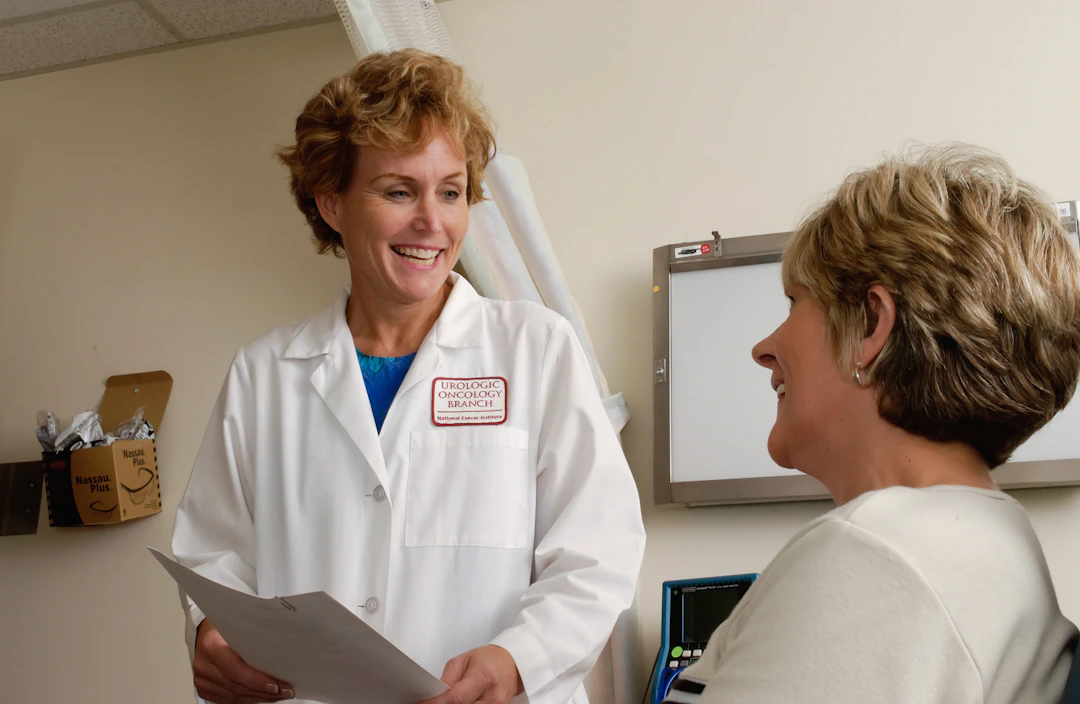
Consulting healthcare professionals, including obstetricians and dietitians, can provide tailored advice. Regular check-ups enable healthcare providers to track nutritional intake and offer personalised recommendations based on individual health concerns. They can also help dispel myths and provide evidence-based information that supports women’s health.
Books that Empower Women's Health Choices
For those looking to deepen their understanding of pregnancy nutrition, consider reading Expecting Better: Why the Conventional Pregnancy Wisdom is Wrong and What You..., a groundbreaking guide that empowers women with essential facts for pregnancy. Another excellent choice is The Female Factor: Making Women’s Health Count, which offers an in-depth look at various aspects of women's health, including nutrition.
Empowerment Through Knowledge
Ultimately, the key to a healthy pregnancy lies in understanding nutrition's role in women’s health. By incorporating balanced meals and making informed dietary choices, expectant mothers can support not only their health but also their baby's development. Continuous learning, driven by academic research and expert recommendations, enables women to navigate pregnancy confidently. It's not just about surviving pregnancy; it’s about thriving during this extraordinary journey to motherhood.
Explore these insightful resources to support your journey during pregnancy. Expecting Better: Why the Conventional Pregnancy Wisdom is Wrong and What You... and The Female Factor: Making women’s health count – and what it means for you (T....
Related Products
Expecting Better: Why the Conventional Pregnancy Wisdom is Wrong and What You... - £9.79 - Author: Oster, Emily Brand: Orion Spring Features: New Store Stock Binding: paperback Part Number: 9781398722989 Details: A groundbreaking guide to p...
The Female Factor: Making women’s health count – and what it means for you (T... - £13.90 - Author: Wallace, Dr Hazel Brand: Yellow Kite Features: New Store Stock Binding: hardcover Details: The Number One Bestseller A DEEP DIVE INTO WOMEN'S...
FAQs
Why is nutrition important during pregnancy?
Nutrition is crucial during pregnancy as it supports the health of both the mother and the developing baby. Balanced nutrition helps ensure proper growth, reduces the risk of complications, and aids in postnatal recovery.
What are the essential nutrients needed for expecting mothers?
The five essential nutrients for expecting mothers include Folic Acid, Iron, Calcium, DHA (Docosahexaenoic Acid), and Protein, each playing a key role in the health of both mother and baby.
How does nutrition affect mental health during pregnancy?
Good nutrition can positively influence mental health during pregnancy. Nutrient-rich foods help reduce feelings of anxiety and depression, and certain nutrients like omega-3 fatty acids can enhance mood and sleep quality.
What lifestyle choices can impact nutrition during pregnancy?
Lifestyle choices such as smoking, alcohol consumption, and physical activity significantly affect women's health and nutrition during pregnancy. Expecting mothers should avoid harmful substances and engage in regular, moderate exercise.
How can healthcare professionals support pregnant women with nutrition?
Healthcare professionals, including obstetricians and dietitians, can provide tailored advice, track nutritional intake, dispel myths, and offer personalised recommendations to help ensure healthy outcomes for both mother and child.

Comments