

The Vital Link Between Physical Activity and Women's Health

Overview
Physical activity is vital for women's health, offering benefits such as weight management, improved bone health, and enhanced mental wellbeing. This article highlights the importance of incorporating exercise into daily routines, provides practical tips, and discusses the role of nutrition and unique health considerations at different life stages. Regular movement can empower women to navigate health challenges and improve their overall quality of life.
Contents
When it comes to women's health, physical activity plays an essential role that cannot be overlooked. In an era where sedentary lifestyles are becoming more prevalent, understanding how movement impacts the female body is crucial for long-term health and wellbeing. Academic research continues to shed light on this relationship, providing valuable insights that can empower women to lead healthier lives. This article explores the many facets of physical activity, its numerous benefits for women, and actionable tips to incorporate exercise into everyday life.
The Impact of Physical Activity on the Female Body
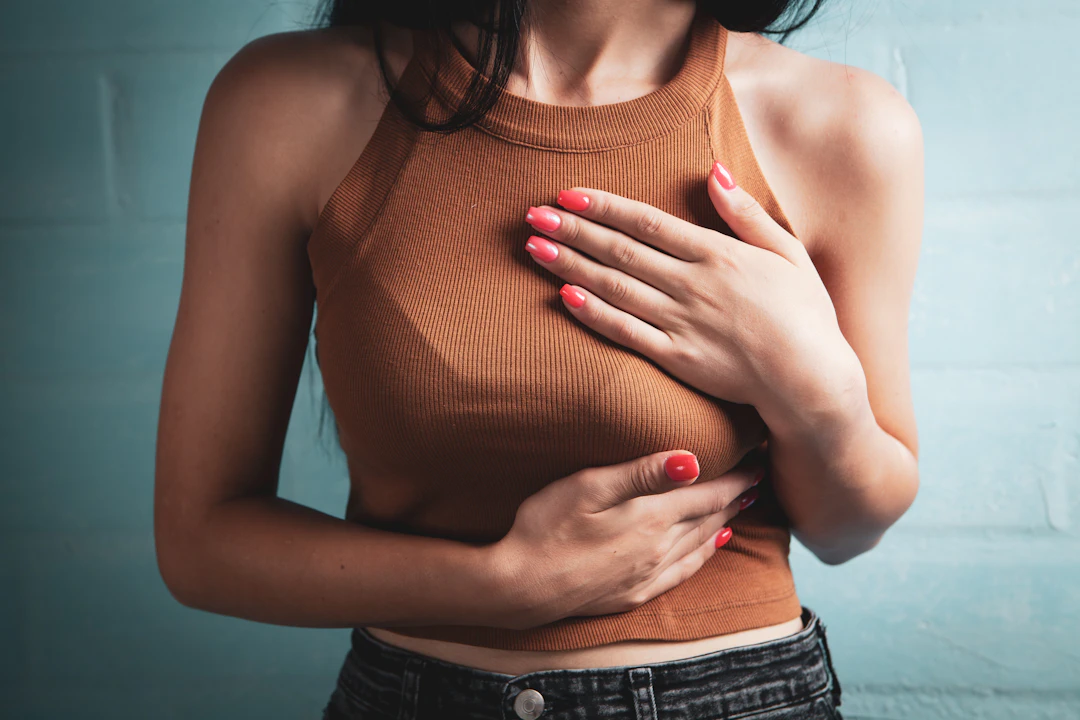
The female body is uniquely designed, and physical activity interacts with this complexity in various ways. Regular exercise helps to maintain a healthy weight, enhances muscle strength, and boosts cardiovascular health. The benefits of physical activity extend beyond the physical realm, positively influencing mental health and emotional wellbeing.
Weight Management: Regular physical activity is a key component in maintaining a healthy weight, which is vital for preventing conditions such as obesity, diabetes, and various cardiovascular diseases.
Bone Health: Women are particularly at risk for osteoporosis. Weight-bearing exercises, such as walking or dancing, help improve bone density and reduce the risk of fractures.
Cardiovascular Benefits: Engaging in aerobic activities strengthens the heart and can drastically reduce the risk of heart disease, which is a leading health concern for women.
Understanding Women's Health Through Academic Research
Numerous studies emphasize how physical activity is linked to improved health outcomes for women. For example, research indicates that physically active women have lower rates of anxiety and depression. Moreover, regular exercise is associated with improved hormonal balance, which is particularly important during different life stages such as menstruation, pregnancy, and menopause. This connection is explored in greater detail in Research on Women’s Health Disparities Globally.
Physical Activity and Mental Health
There is a significant mental health component related to physical activity. Exercise has been shown to release endorphins, often dubbed 'feel-good' hormones, which combat stress and enhance mood. For many women who struggle with issues such as overthinking, the act of engaging in physical activity can serve as a therapeutic outlet.
This phenomenon underscores the importance of accessing resources to combat stress-related issues. For instance, Women Who Think Too Much is an excellent resource that offers insights into overcoming the mental barriers that may prevent women from engaging in physical activity.
Incorporating Physical Activity Into Daily Life
Finding ways to include exercise in our busy lives can be challenging, but it is essential for promoting overall women's health. Here are some practical tips for making physical activity a regular part of your routine:
Set Realistic Goals: Aim to incorporate at least 150 minutes of moderate-intensity aerobic exercise into your week. Break this down into manageable sessions, such as 30 minutes a day, five times a week.
Find Enjoyable Activities: Choose forms of exercise that you genuinely enjoy. Whether it's dancing, swimming, yoga, or hiking, the key is to make it fun and engaging.
Mix It Up: Don’t stick to one routine. Combining different forms of exercise can be invigorating and beneficial. Strength training, aerobics, and flexibility exercises all contribute differently to your health.
Be Social: Engaging in group activities or classes can keep motivation high. Encourage friends or family members to join you.
The Role of Nutrition in Women's Health and Physical Activity
While physical activity is critical, nutrition is equally important. A balanced diet fuels the body and assists in recovery after exercise. Women should focus on consuming a variety of nutrients that support both their physical and mental health. Key nutrients include:
Calcium and Vitamin D: Essential for bone health, especially for women at risk of osteoporosis.
Iron: Important for energy and to prevent fatigue, especially during menstruation.
Fibre: Supportive of digestive health and aids in weight management.
Unique Considerations for Women At Different Life Stages
As women navigate different stages of life, their health needs change significantly. Physical activity can play a pivotal role in adapting to these changes. For instance:
During Menstruation
Many women experience symptoms such as cramps and mood swings. Light exercise, such as walking or yoga, can alleviate discomfort and improve overall wellbeing.
Pregnancy
Staying active during pregnancy can lead to healthier outcomes for both mother and child. Pregnant women should consult with healthcare professionals to tailor an exercise plan that suits their specific needs.
Menopause
The transition into menopause comes with its own set of challenges. Regular physical activity can help manage weight gain, support cardiovascular health, and combat mood swings associated with hormonal changes. Resources like The Change: Women, Ageing and the Menopause can provide valuable information for navigating this transition.
Exploring Recent Academic Research on Women's Health
Staying informed about the latest academic research on women's health can empower individuals to make informed decisions about their wellbeing. Ongoing studies continue to uncover the connections between physical activity and specific health outcomes, including mental health, heart disease, and hormonal balance. Exploring avenues like Empowering Progress can offer further insights into this evolving field.
Your Journey Towards Better Health Awaits!
Incorporating physical activity into your routine can lead to transformative changes for the female body and overall women's health. As we have seen, the benefits are profound and extend beyond mere physical fitness; they encompass mental and emotional wellbeing as well. By actively engaging in regular exercise, you can empower yourself to overcome challenges, navigate life stages, and ultimately enhance your quality of life. Remember, the journey toward better health is just beginning—embrace the power of movement and watch as it transforms your life for the better!
Explore these insightful reads to enhance your understanding of women's health. Female Hormones and ADHD: The Impact on Brain and Body and Women Who Think Too Much: How to break free of overthinking and reclaim your ....
Related Products
Female Hormones and ADHD: The Impact on Brain and Body - £20.99 - Author: Kallner, Helena Kopp Brand: Jessica Kingsley Publishers Binding: paperback Details: Women and girls with ADHD are often left feeling misunder...
Women Who Think Too Much: How to break free of overthinking and reclaim your ... - £10.25 - Author: Nolen-Hoeksema, Susan Brand: Piatkus Features: New Store Stock Binding: paperback Part Number: 9,78075E+12 Details: 'Groundbreaking research...
The Change: Women, Ageing and the Menopause - £14.55 - Author: Greer, Germaine Brand: Bloomsbury Features: The Change: Women, Ageing and the Menopause Product type: ABIS BOOK Brand: Bloomsbury Publishing...
FAQs
What role does physical activity play in women's health?
Physical activity is essential for women's health as it helps maintain a healthy weight, enhances muscle strength, boosts cardiovascular health, and positively influences mental health and emotional wellbeing.
How can physical activity benefit bone health for women?
Weight-bearing exercises, such as walking or dancing, improve bone density and reduce the risk of osteoporosis and fractures, which women are particularly at risk for.
What are some effective tips for incorporating exercise into daily life?
Some practical tips include setting realistic goals, finding enjoyable activities, mixing different forms of exercise, and engaging in social activities or classes to maintain motivation.
How does physical activity impact mental health for women?
Exercise releases endorphins, which combat stress and enhance mood, serving as a therapeutic outlet for many women struggling with issues such as overthinking.
What nutritional considerations should women keep in mind alongside physical activity?
Women should focus on a balanced diet that includes calcium and vitamin D for bone health, iron for energy, and fibre for digestive health to support both physical and mental wellbeing.


Comments