

The Transformative Role of Exercise in Women's Health
- 1 day ago
- 6 min read
Overview
Exercise is essential for women's health, impacting physical, mental, and reproductive well-being. It helps manage weight, reduces chronic disease risk, and improves bone health. Different life stages, such as adolescence, pregnancy, and menopause, require tailored exercise approaches. Overcoming barriers like time constraints and lack of motivation is crucial. Community support and modern technology enhance participation in fitness. Embracing regular physical activity is a holistic act of self-care and empowerment for women.
Contents
Exercise is crucial to maintaining a healthy lifestyle and significantly affects women's health. The female body, with its unique physiological characteristics, requires specific forms of exercise that can enhance well-being and promote overall health. This article delves into the role of exercise in women's health, supported by academic research, and highlights its benefits across various life stages. Whether you're an athlete or just starting your fitness journey, understanding how exercise can impact your health is vital.
The Importance of Exercise for Women's Health
Regular physical activity plays a pivotal role in women's health. It not only helps in managing weight but also reduces the risk of chronic diseases such as heart disease, diabetes, and certain types of cancer. In fact, academic research shows that exercise can significantly improve quality of life and longevity.
Improving Mental Health
Exercise has been linked to improved mental health outcomes. Regular physical activity releases endorphins, often referred to as "feel-good hormones," which can lead to enhanced mood and reduced feelings of depression and anxiety. Women experiencing hormonal fluctuations throughout their lives, especially during the menstrual cycle, can greatly benefit from consistent exercise.
Maintaining Bone Health
Bone density is particularly crucial for women, especially as they age and face risks associated with osteoporosis. Engaging in weight-bearing exercises, such as walking, jogging, or resistance training, can strengthen bones and prevent deterioration. For further insights into osteoporosis research and its implications for women's health, check out The Latest Findings in Osteoporosis Research.
Supporting Reproductive Health
Exercise plays a significant role in managing reproductive health issues, such as Polycystic Ovary Syndrome (PCOS). Women with PCOS often struggle with weight management and insulin resistance. Regular exercise can help alleviate symptoms by promoting a healthy weight and improving insulin sensitivity. To learn more about recent research on PCOS, consider exploring Exploring the Latest Research on Polycystic Ovary Syndrome (PCOS).
Optimal Types of Exercise for Women
Not all exercise is created equal, especially for women's health. Here are some of the best forms of exercise that cater specifically to the needs of the female body:
Aerobic Exercises: Activities like walking, running, swimming, and cycling improve cardiovascular health and help with weight management.
Strength Training: Building muscle through weight training is essential for boosting metabolism and maintaining bone density.
Flexibility and Balance Training: Yoga and Pilates can enhance flexibility, reduce stress, and improve balance, which is crucial as women age.
High-Intensity Interval Training (HIIT): Short bursts of intense exercise followed by rest periods can effectively burn calories and improve cardiovascular fitness.
Overcoming Barriers to Exercise
Despite the myriad benefits of exercise, many women encounter barriers in their fitness journey. These can include time constraints, lack of motivation, or even safety concerns. Understanding these barriers is the first step toward overcoming them:
Time Constraints: Busy schedules can make it difficult to find time for exercise. Women can incorporate physical activity into their daily routines, such as taking the stairs instead of the lift or walking during lunch breaks.
Lack of Motivation: Setting realistic and achievable fitness goals can help maintain motivation. Joining fitness classes or finding exercise buddies can also provide support and accountability.
Safety Concerns: Exercising in safe environments, whether at home or in a gym, is essential. Women should also ensure they feel comfortable with their chosen activities and gradually ease into more intense workouts.
The Lifecycle of Women's Health and Exercise
Different stages of a woman’s life require different considerations regarding exercise. Here’s how exercise supports various life events and changes:
Adolescence
During adolescence, girls experience significant hormonal changes that can impact physical and emotional health. Regular exercise can help alleviate symptoms associated with these changes, such as mood swings and weight gain. Engaging in team sports can also promote social interaction and build self-esteem.
Pregnancy
Exercise during pregnancy is crucial for maintaining a healthy body weight and managing gestational diabetes. Activities such as swimming, walking, and prenatal yoga are generally considered safe. However, it's essential for expecting mothers to consult with a healthcare provider before starting any exercise regime.
Menopause
As women approach menopause, they may experience a range of symptoms including weight gain, mood changes, and sleep disturbances. Regular exercise can counter these effects by regulating hormones and improving mood. To understand menopause better and how to manage its symptoms, take a look at Understanding Menopause: Latest Insights into Women's Health.
Community and Social Support
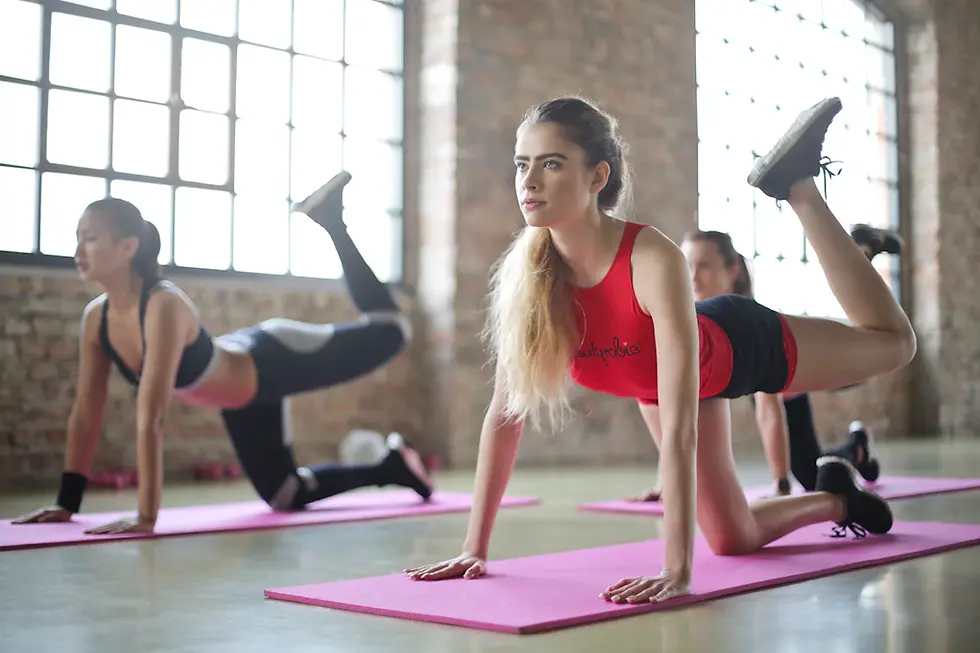
The role of community in enhancing women's health through exercise cannot be underestimated. Group classes, running clubs, or exercise leagues provide a supportive environment that encourages participation and adherence. Moreover, these social networks can foster a sense of belonging that enhances mental health.
Technological Innovations in Exercise
Modern technology has transformed how women can engage in and benefit from exercise. Wearable fitness trackers, mobile applications, and online classes allow for easier tracking of activity levels and progress. This can be particularly beneficial for women juggling multiple responsibilities, as they can access workouts from the comfort of their home.
Explore more about the latest innovations in women's health technology in this insightful article: Latest Innovations in Women's Health Technology.
A Journey to Empowerment
Embracing exercise as part of a healthy lifestyle is not just about physical appearance; it is a holistic approach to women's health. The benefits extend beyond the physical realm, positively influencing mental, emotional, and social well-being.
For those looking to deepen their understanding of these connections, resources like The Female Body Bible offer a comprehensive look at women's health, empowering you on your fitness journey. By nurturing the female body through exercise, women can reclaim their health, strengthen their resilience, and thrive at every stage of life.
Let's remember that every small step counts, and engaging in regular physical activity can pave the way for long-term health benefits. In a world where many factors can affect women's health, investing time in fitness is a profound act of self-care and empowerment. Join the movement today and unlock the transformative benefits of exercise!
Explore these insightful reads to enhance your understanding of women's health. The Female Body Bible: The Sunday Times bestselling guide to women's health a... and Labor and Deliverance: Reclaiming the Healing in Women's Health.
Related Products
The Female Body Bible: The Sunday Times bestselling guide to women's health a... - £13.59 - Author: Smith, Dr Bella Brand: Bantam Color: Cream Features: New Store Stock Binding: paperback Part Number: 9780857506733 Details: UNDERSTAND YOUR B...
Labor and Deliverance: Reclaiming the Healing in Women's Health - £24.00 - Author: Shevell MD, Tracy Brand: HarperOne Binding: hardcover Package Dimensions: 9 x 6 x 0.8 inches
Wild Power: Discover the Magic of Your Menstrual Cycle and Awaken the Feminin... - £13.85 - Author: Pope, Alexandra Brand: Hay House UK Ltd Color: White Binding: paperback Part Number: 45374352 Details: Your power lies in the rhythm of your...
FAQs
Why is exercise important for women's health?
Exercise is crucial for women's health as it helps manage weight, reduces the risk of chronic diseases, and improves quality of life and longevity.
What types of exercise are recommended for women?
Recommended types of exercise for women include aerobic exercises, strength training, flexibility and balance training, and high-intensity interval training (HIIT).
How can exercise improve mental health in women?
Exercise improves mental health by releasing endorphins, which enhance mood and reduce feelings of depression and anxiety, particularly during hormonal fluctuations.
What barriers do women face in maintaining an exercise routine?
Women often face barriers such as time constraints, lack of motivation, and safety concerns that can hinder their exercise routines.
How does exercise support women during different stages of life?
Exercise supports women throughout various life stages by alleviating symptoms associated with adolescence, pregnancy, and menopause, thus promoting overall health and well-being.


Comments