

The Importance of Physical Activity for Women's Health

Overview
Physical activity is vital for women's health, offering benefits like improved cardiovascular health, weight management, and enhanced mental well-being. Engaging in regular exercise throughout different life stages, from adolescence to menopause, can help mitigate unique health challenges faced by women. Prioritising physical activity and staying informed can empower women to lead healthier lives.
Contents
In an age where women are breaking new barriers and achieving unprecedented heights, the significance of maintaining a healthy lifestyle has never been more essential. Physical activity plays an integral role in promoting women's health, particularly in maintaining the well-being of the female body throughout various stages of life. This article delves into the impact of physical activity on women's health, supported by academic research, and highlights the crucial benefits that every woman should consider.
The Relationship Between Physical Activity and Women's Health
Engaging in regular physical activity contributes significantly to overall health and well-being. For women, staying active can lead to numerous health benefits, including improved cardiovascular health, weight management, reduction of chronic disease risk, and enhanced mental well-being. Academic research has consistently shown that women who participate in regular exercise experience better health outcomes compared to their inactive counterparts. This relationship is particularly important as women face unique health challenges throughout their lives, from menstrual health to menopause.
Benefits of Regular Exercise for Women's Health
The list of benefits derived from physical activity is extensive. Here are some key points to consider:
Reduced Risk of Chronic Diseases: Regular exercise is a preventive measure against chronic conditions such as heart disease, diabetes, and certain cancers. Studies emphasize that women who engage in moderate to vigorous physical activity are less likely to develop these health issues.
Weight Management: Maintaining a healthy weight can be challenging, especially with hormonal fluctuations that women experience throughout their lives. Physical activity plays a vital role in weight control by burning calories and supporting metabolic health.
Enhanced Mental Health: In addition to physical benefits, exercise has a profound effect on mental well-being. Many women report a reduction in symptoms of anxiety and depression after incorporating regular exercise into their routines.
Improved Bone Health: As women age, they become more susceptible to osteoporosis and other bone-related issues. Weight-bearing exercises help strengthen bones and reduce the risk of injury.
Better Sleep: Regular physical activity has been linked to improved sleep quality, which is especially important for women juggling various life responsibilities.
Women’s Health Across the Lifecycle
The female body undergoes significant changes throughout life, and physical activity can adapt to support health and fitness during these transitions. Let’s explore some specific aspects of women’s health in relation to physical activity:
Adolescence and Young Adulthood
During teenage years, physical activity is crucial. It fosters healthy growth patterns, reduces the risk of obesity, and encourages positive self-esteem in young women. Participating in team sports or group activities can build social skills, forming connections that last a lifetime.
Pregnancy and Postpartum
For women expecting new life, physical activity promotes a healthy pregnancy. Engaging in safe exercise routines can alleviate common pregnancy discomforts, facilitate easier labour, and aid in postpartum recovery. Studies suggest that women who remain active during their pregnancy have healthier birth outcomes. Additionally, resources like UNDERSTANDING PCOS offer insights into managing conditions that may affect women's health during this time.
Menopause and Beyond
As women transition into menopause, physical activity becomes increasingly paramount. Exercise can alleviate common menopausal symptoms such as hot flashes, mood swings, and weight gain. Furthermore, comprehending the implications of these changes can assist in adopting healthier lifestyles. Books like Age Like a Girl provide valuable insights into navigating this phase and embracing renewed vitality.
Academic Research Supporting Physical Activity
Numerous studies have explored the relationship between physical activity and women’s health, providing a robust foundation of evidence. Academic research continues to highlight the importance of exercise for protecting against cardiovascular disease, which disproportionately affects women. For example, research indicates that women who incorporate regular cardiovascular and strength training into their routines have lower rates of heart disease, which is the leading cause of death for women worldwide. For further insights, read more about Cardiovascular Health on our blog.
Empowering Women through Education
In an ever-changing world, accessibility to current information about women's health is vital. Understanding the benefits of physical activity and remaining informed about women's health policies can empower women to be proactive about their health. Research has shown that women who stay educated about their health options and rights are more likely to engage in healthy behaviours.
Furthermore, participating in community programs that focus on health education can also enhance motivated behaviour change, leading to long-term benefits for the female body. To learn more about this important topic, read Updates on Women's Health Policies and Legislation.
Making Physical Activity a Priority
In our busy lives, it can be easy to deprioritise physical activity, but implementing small changes can lead to significant improvements in health. Here are some practical tips:
Start Small: Create a simple routine that includes walking, swimming, or any activity that you enjoy. Aim for at least 15-30 minutes a day, progressively increasing as you become more comfortable.
Set Goals: Setting achievable fitness goals can motivate you to stay on track. Whether it’s completing a certain number of steps daily or setting aside time for gym sessions, having a plan can keep you focused.
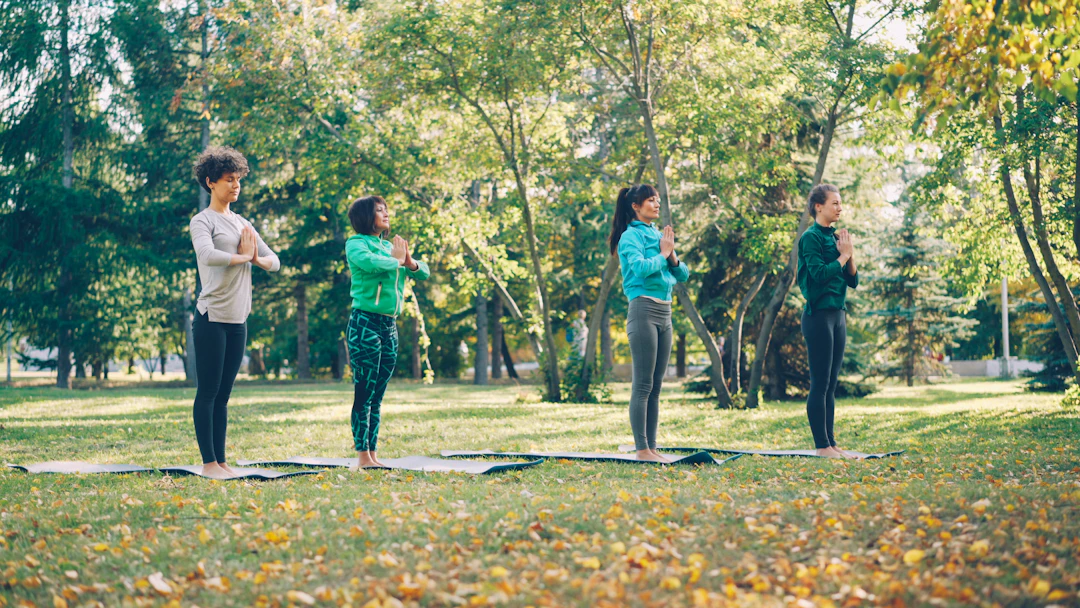
Find Community: Engage with fitness groups or classes to find support and companionship. This social encouragement can make exercise more enjoyable and sustainable.
Listen to Your Body: It is essential to pay attention to how your body feels and adjust your routine accordingly. Rest when needed, and consult a professional if you have health concerns.
Elevating Health and Well-Being Together
Ultimately, the importance of physical activity for women's health cannot be overstated. As women navigate unique challenges, staying active not only improves physical health but also enhances mental wellbeing and resilience. Whether it’s through community involvement, education, or strategic choices, every woman can make strides toward a healthier future.
By prioritising physical activity and utilising available resources, women can empower themselves and inspire others. Together, let’s create an environment of support and education that uplifts and celebrates women’s health.
Your journey towards vibrant living starts with taking action. Embrace the power of movement today!
Explore these insightful reads to enhance your understanding of women's health. Female Eunuch: An empowering journey through the history and politics of femi... and UNDERSTANDING PCOS: A Comprehensive Guide to Managing Polycystic Ovary Syndrome.
Related Products
Female Eunuch: An empowering journey through the history and politics of femi... - £12.99 - Author: Greer, Germaine Brand: Fourth Estate Features: New Mint Condition Dispatch same day for order received before 12 noon Guaranteed packaging No...
UNDERSTANDING PCOS: A Comprehensive Guide to Managing Polycystic Ovary Syndrome - £13.16 - Author: Rodriguez, Claudia Brand: Independently published Binding: paperback Details: Revised and Updated + Free Audio Book Unlock the Secrets of PCO...
Age Like a Girl: How Menopause Rewires Your Brain for Mental Clarity, Increas... - £20.71 - Author: Pelz, Dr. Mindy Brand: Hay House Color: Multicolor Features: New Store Stock Binding: hardcover Details: From the New York Times bestselling...
FAQs
Why is physical activity important for women's health?
Physical activity is essential for women's health as it contributes to improved cardiovascular health, weight management, reduction of chronic disease risk, and enhanced mental well-being.
What are the benefits of regular exercise for women?
The benefits of regular exercise for women include reduced risk of chronic diseases, weight management, enhanced mental health, improved bone health, and better sleep quality.
How does physical activity impact women during different life stages?
Physical activity supports women's health across various stages, including fostering healthy growth in adolescence, promoting healthy pregnancies, facilitating postpartum recovery, and alleviating menopausal symptoms.
What academic research supports the relationship between physical activity and women's health?
Numerous studies indicate that regular physical activity protects against cardiovascular disease and improves health outcomes for women, with a focus on cardiovascular and strength training benefits.
How can women prioritise physical activity in their lives?
Women can prioritise physical activity by starting small with daily routines, setting achievable fitness goals, engaging with fitness communities, and listening to their bodies to adjust their routines as needed.

Comments