

Staying Ahead: Updates on Breast Cancer Screening Guidelines
Overview
Breast cancer screening guidelines are essential for early detection and increased survival rates. Women should begin regular screenings in their 40s or 50s, with personalised assessments based on individual risk factors. Recent updates emphasise the importance of academic research in shaping these guidelines and highlight barriers to access. Innovations in technology promise to enhance screening effectiveness, making it crucial for women to stay informed and proactive about their health.
Contents
Breast cancer remains one of the most common cancers affecting women globally. As academic research continues to evolve, health organisations regularly update their guidelines regarding early detection and screening. Understanding these guidelines is crucial for women's health, enabling early intervention and increased survival rates.
The Importance of Screening Guidelines
Screening for breast cancer aims to detect the disease at an early stage when treatment is more likely to be successful. Various organisations, including the National Health Service (NHS) and the American Cancer Society (ACS), provide recommendations based on current evidence. These guidelines ensure that screenings are tailored to the needs of the female body, considering factors such as age, family history, and overall health.
Recent academic research highlights the necessity for regular updates to these guidelines, as new findings can significantly impact recommendations. Therefore, it is important for women to stay informed about the latest developments to make educated decisions regarding their health.
Current Breast Cancer Screening Guidelines
Who Should Get Screened?
Most guidelines recommend that women begin having regular screenings in their 40s or 50s. However, specific factors can dictate the appropriate age and frequency, including:
Family history of breast cancer
Previous breast biopsy results
Genetic predispositions, such as BRCA mutations
Women with a higher risk profile may need to start screenings earlier and undergo them more frequently. Consequently, talking with healthcare providers about personal risks is vital to determine the best course of action.
Screening Methods
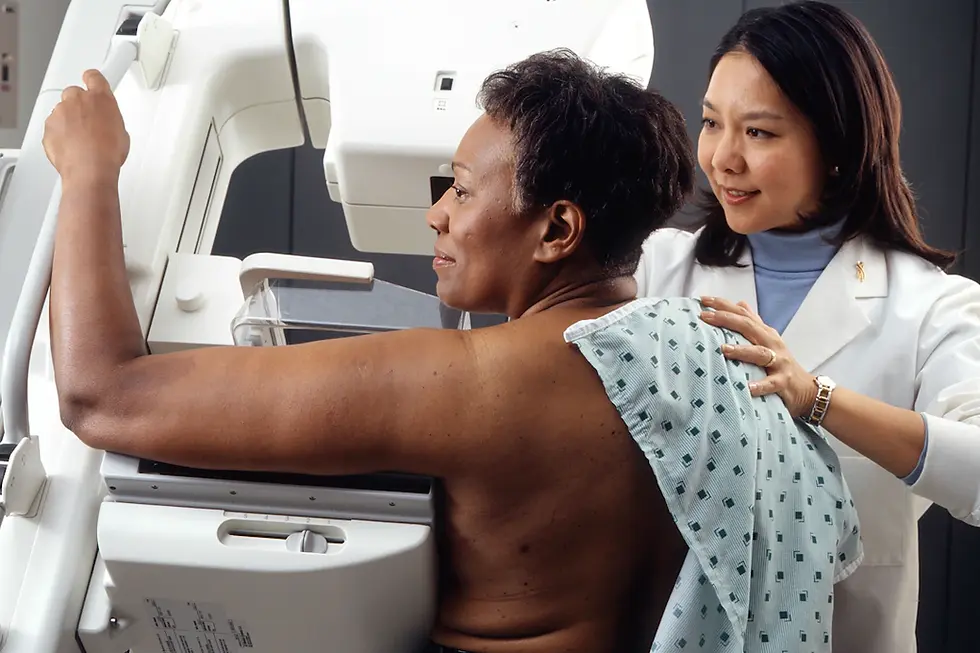
The primary method of screening is a mammogram, which uses low-energy X-rays to visualise the breast tissue. Additional methods may include:
Clinical breast exams
Self-exams
Ultrasound
Magnetic resonance imaging (MRI)
Academic research supports the efficacy of these methods, especially mammograms, for early detection. It's essential to understand that while these tests can reduce mortality rates, they are not without limitations and potential false positives.
Recent Updates in Guidelines
In recent years, several notable changes have emerged in breast cancer screening guidelines:
The recommended age to start screening has been lowered or adjusted in various regions.
Encouragement for personalized risk assessments to determine screening frequency.
Introductions of newer technologies to enhance detection rates.
For instance, some guidelines now suggest the inclusion of genetic testing in the decision-making process. Women with a family history of breast cancer may want to consider testing for BRCA mutations, which can inform not only screening but also management decisions.
The Role of Academic Research
Academic research plays a pivotal role in shaping screening guidelines. Numerous studies conducted over the past few years have provided insights into the effectiveness of different screening methods and the best practices for their implementation. One key element that researchers focus on is understanding how biology in the female body may influence cancer development and progression.
For detailed insights into recent academic findings related to women's health, visit Research on Women’s Health Disparities Globally: A Deep Dive into the Female Body, which explores the intricate connections between biological factors and health disparities.
The Psychological Aspect of Screening
A health diagnosis can have a significant emotional impact on individuals, particularly concerning breast cancer screening. The stress and anxiety associated with the possibility of a positive diagnosis can discourage many women from pursuing regular checks.
To help combat these feelings, supportive resources, such as books and guides, can empower women by providing information on what to expect during the screening process and how to manage the mental health challenges that arise. For instance, Navigating Menopause After Cancer is a valuable resource designed to support women through life's transitions post-cancer treatment.
Barriers to Accessing Screening
Despite the availability of screening guidelines, many women face barriers that prevent them from utilising these recommendations fully. Social determinants of health, such as economic status, access to healthcare, and education, can significantly affect a woman's ability to get screened. Moreover, disparities exist globally, with some women not receiving adequate information regarding breast cancer screening.
Efforts to improve accessibility are vital, as academic research increasingly illustrates the need for gender-specific health strategies. By making informed decisions about women's health, communities can foster environments that promote regular screenings and reduce barriers.
Looking Ahead: Innovative Approaches to Screening
The landscape of breast cancer screening is continually evolving, with emerging technologies promising to enhance detection rates. This includes advancements in imaging techniques, like 3D mammography and AI-assisted diagnostics. Understanding these innovations is key for healthcare providers and patients alike.
Future guidelines are likely to integrate these advancements, focusing on personalised screening protocols designed for individual risks and health profiles. Thus, ongoing research is essential to ensure that guidelines remain effective and relevant.
For instance, to keep track of the latest updates in women's health research, you may refer to Empowering Progress: Recent Breakthroughs in Women's Health Research, which offers insights into how these findings influence care practices.
Empowering Change in Women's Health
The updates surrounding breast cancer screening guidelines reflect a growing recognition of the importance of women's health. It is paramount for women to remain proactive about their health through regular screenings and to stay informed about these vital updates.
By engaging with academic research and understanding the nuances of these guidelines, women can empower themselves and advocate for their health. For those looking to deepen their understanding of women's health issues, consider exploring The Female Factor: Making Women’s Health Count, which dives into various critical issues, including the significance of regular health screenings.
In navigating the complexities of screening guidelines, the collective commitment to women's health will undoubtedly yield a future where breast cancer is detected and treated effectively, ensuring better outcomes for women everywhere.
Explore these insightful resources on women's health. Navigating Menopause After Cancer: A comprehensive, empowering guide to all y... and The Female Factor: Making women’s health count – and what it means for you (T....
Related Products
Navigating Menopause After Cancer: A comprehensive, empowering guide to all y... - £16.52 - Author: Binnington, Dani Brand: Healthy Whole Me Press Binding: paperback Part Number: RKC2012463205 Details: Menopause is the side effect of cancer...
The Female Factor: Making women’s health count – and what it means for you (T... - £13.90 - Author: Wallace, Dr Hazel Brand: Yellow Kite Features: New Store Stock Binding: hardcover Details: The Number One Bestseller A DEEP DIVE INTO WOMEN'S...
FAQs
What are the current recommended ages for breast cancer screening?
Most guidelines recommend that women begin having regular screenings in their 40s or 50s, but specific factors can influence the appropriate age.
What are the primary methods used for breast cancer screening?
The primary method of screening is a mammogram, but other methods can include clinical breast exams, self-exams, ultrasound, and MRI.
How have recent updates in breast cancer screening guidelines changed?
Recent updates include lower recommended ages to start screening, encouragement for personalised risk assessments, and the introduction of newer technologies to enhance detection rates.
What is the role of academic research in updating screening guidelines?
Academic research is pivotal in shaping screening guidelines by providing insights into the effectiveness of screening methods and best practices.
What barriers do women face in accessing breast cancer screening?
Women may face barriers such as economic status, access to healthcare, and education that can affect their ability to utilise screening recommendations.


Comments